

Key Takeaways
Price vs. Value
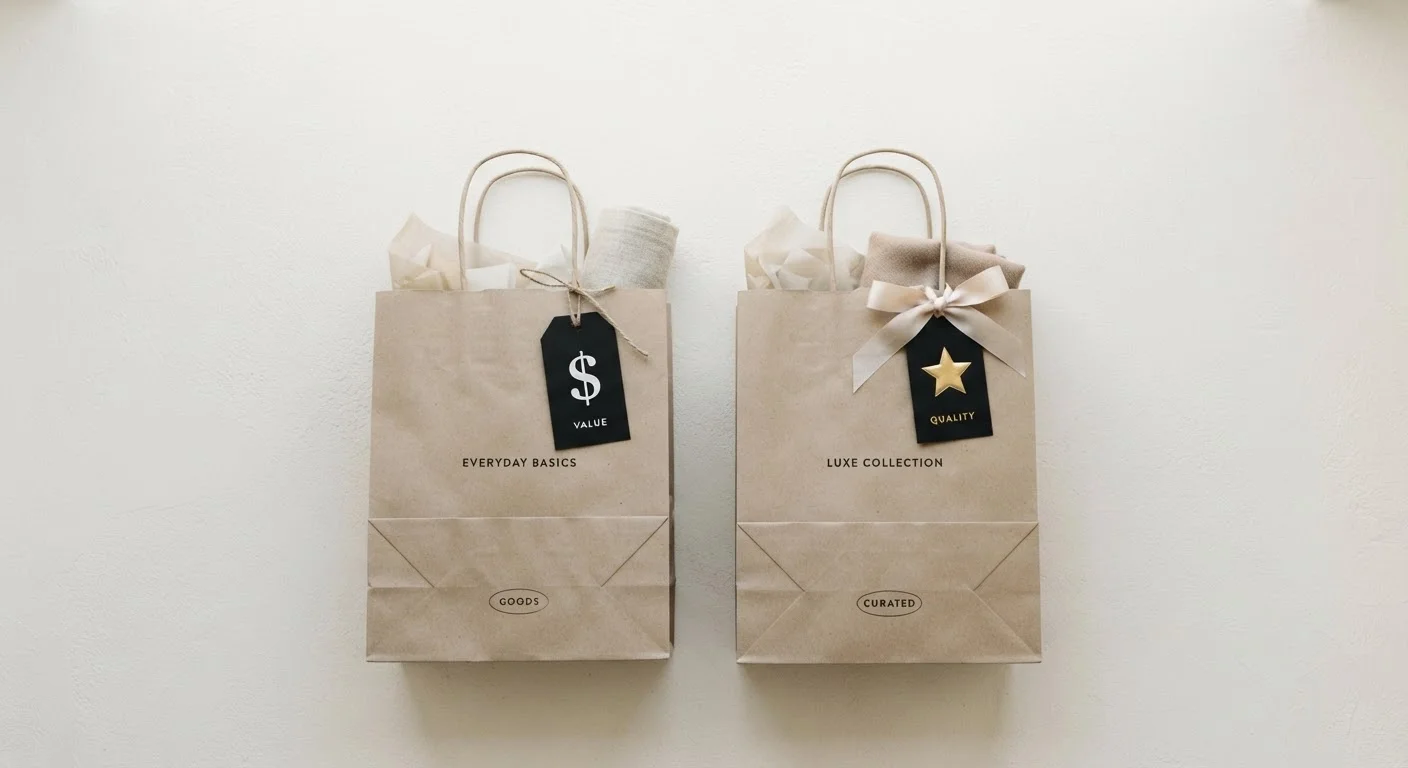
Price is the amount of money you hand over at checkout. Value is the total benefit you receive from a purchase relative to what you paid. A low price isn't automatically a good deal, and a high price doesn't guarantee quality. Understanding the gap between the two is the foundation of smarter spending.
In economics, "consumer surplus" describes the difference between what a buyer would have been willing to pay and what they actually paid — a formal way of measuring perceived value received.
Why the Distinction Matters
Most of us learn early that saving money is good — pay less, keep more. That instinct isn't wrong, but it's incomplete. When price becomes the primary filter for every purchase, it quietly substitutes for the more important question: what am I actually getting?
Price is objective. It appears on the tag, the screen, or the receipt. Value is personal and contextual. It depends on how often you'll use something, how well it fits your situation, and how long it holds up. Two shoppers buying the same jacket at the same price can walk away with completely different levels of value — if one wears it daily for three years and the other wears it twice before it falls apart.
This distinction isn't just philosophical. It has real consequences for your wallet over time. Buying cheaper isn't the same as saving money — a lower sticker price can mask a much higher long-run cost.
How to Measure Value Practically
Since value isn't printed on a tag, you need a framework for estimating it before you buy. The most practical starting point is cost-per-use: take the purchase price and divide it by how many times you realistically expect to use the item. A $120 pair of work boots used five days a week costs roughly $0.46 per use over a year. A $40 pair worn twice before they wear out costs $20 per use.
~60%
Consumers who regret impulse purchases
Multiple consumer behavior surveys have consistently found that a majority of impulse buyers report regretting at least some of those purchases, often citing price-focused decisions that ignored quality or fit.
2–5x
Typical lifespan difference between low- and high-quality versions of durable goods
Studies on product categories like footwear, appliances, and tools have found that higher-quality versions commonly last two to five times longer, meaning total cost of ownership can favor the pricier option.
$1,000+
Estimated annual cost of replacing low-quality household items
Financial planning resources have estimated that households replacing low-durability goods — from small appliances to clothing — can spend significantly more annually than those making fewer, higher-quality purchases.
Beyond cost-per-use, consider these factors:
- Durability: How long is the item likely to last under your actual usage conditions?
- Fit for purpose: Does it do exactly what you need, or will you need workarounds or upgrades?
- Total cost of ownership: Are there maintenance, replacement part, or ongoing subscription costs?
- Opportunity cost: Does choosing the cheaper option mean sacrificing something that matters to you?
Running through these questions takes a few minutes but can prevent purchases you'll regret. For a structured method, see comparison shopping done right — which walks through evaluating products across multiple factors, not just cost.
The Role of Personal Context
Value is never universal — it shifts based on who is buying and why. A professional chef and a casual home cook evaluating the same knife will reach different conclusions about whether the price is justified. Neither answer is wrong; they reflect different levels of need, frequency of use, and skill that can actually leverage the tool's capabilities.
This is why blanket advice like "always buy the cheapest" or "always invest in quality" misses the point. The right question is: what does this item need to do for me specifically, and does this price reflect a fair trade for that?
Ask the Right Question Before You Buy
Instead of asking "Is this cheap enough?" try asking "Does what I get justify what I'm paying?" That single reframe shifts the evaluation from price to value. Write down the key use cases you have for the item before you shop — it makes it much easier to judge whether any option actually meets your needs.
Context also changes over time. A product that represents poor value during a tight financial period might be excellent value later when your usage needs increase. Evaluating purchases in the context of your current life — not an idealized version of it — keeps you grounded. For situations where higher spending might genuinely pay off, paying more isn't always paying better lays out a clear-eyed view of when premium pricing is actually justified.
When Price and Value Diverge Most
There are predictable situations where the gap between price and value tends to be widest — and where it pays to slow down before buying.
Heavily marketed categories. Items with significant advertising spend often carry a price premium that reflects brand investment, not product superiority. Packaging, celebrity endorsements, and lifestyle marketing all add to price without necessarily adding to performance.
One-time or low-use purchases. When you'll only use something occasionally, a lower-cost option often delivers entirely adequate value — there's less wear to expose quality differences. Conversely, high-frequency items tend to justify more investment because durability differences compound quickly.
Rapidly changing technology. In categories where products evolve quickly, buying at the top of the price range may deliver diminishing returns if a newer version or format renders the item outdated within a year or two.
Understanding these dynamics is particularly relevant in high-stakes decisions. The buying vs. leasing a car comparison illustrates how separating price from total value can clarify an otherwise confusing financial choice. And if you're weighing upfront savings against long-term durability, the long-term cost of low-quality purchases is worth reviewing before you commit.