

Key Takeaways
Car Battery
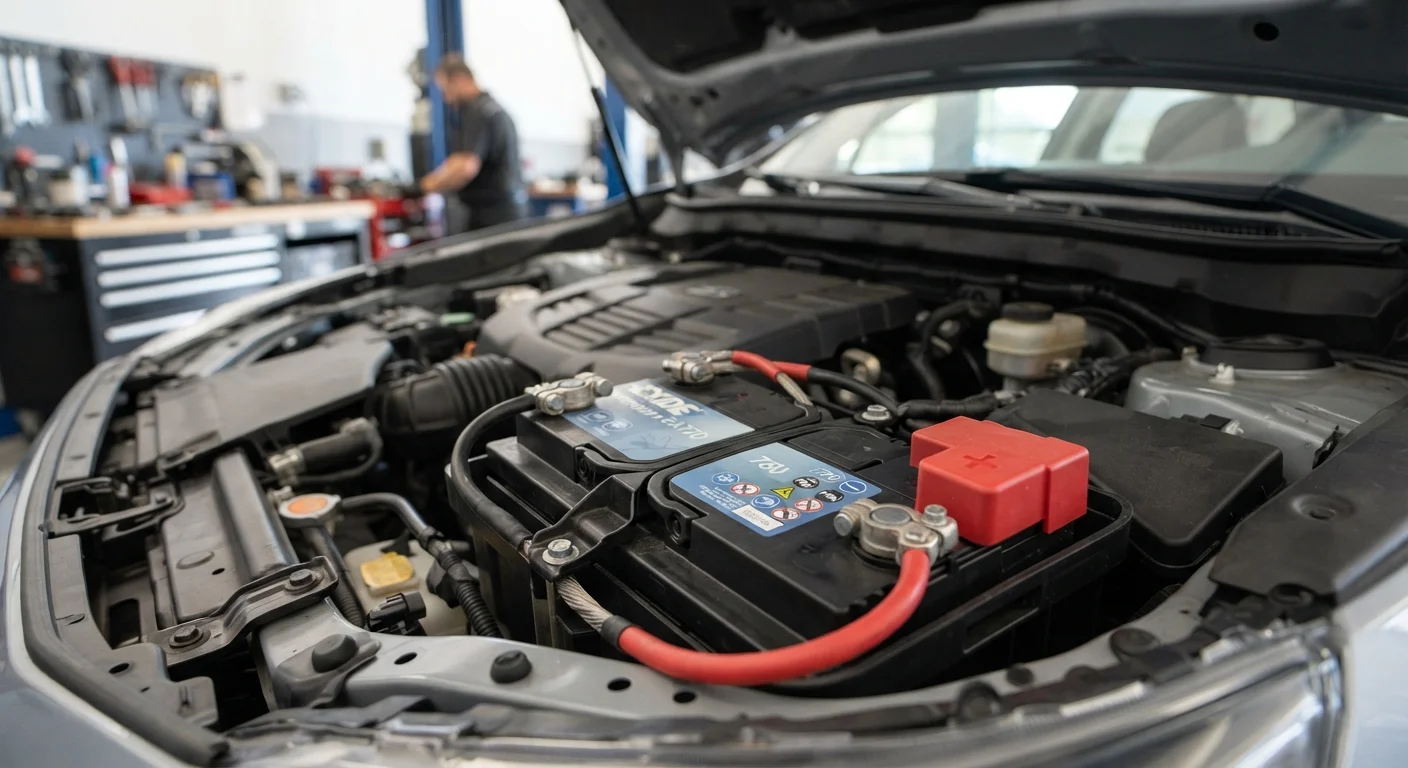
A car battery is a rechargeable power source that starts your engine and supports electrical systems like lights, infotainment, and climate control when the engine is off. It works alongside the alternator, which recharges the battery while you drive. Without a functional battery, your vehicle simply won't start.
Most passenger vehicles use a 12-volt lead-acid battery, though many newer hybrids and EVs also incorporate auxiliary 12V batteries alongside their high-voltage traction packs.
How Long Car Batteries Actually Last
The widely cited lifespan for a standard lead-acid car battery is 3 to 5 years. That's a reasonable average, but it's not a guarantee — some batteries give out sooner, and well-maintained ones occasionally push past the 5-year mark. The important number to keep in mind is 3 years: that's typically when it's worth having your battery tested annually rather than assuming everything is fine.
Geography plays a meaningful role. Drivers in hot climates like the Southwest experience faster battery degradation because sustained high temperatures cause the fluid inside the battery to evaporate and accelerate internal corrosion. Cold-weather drivers face a different problem: low temperatures reduce a battery's available cranking power, which can expose weaknesses that went unnoticed during milder months.
3–5 years
Typical car battery lifespan
This is the generally accepted average lifespan for standard 12-volt lead-acid car batteries under normal driving conditions.
33%
Reduction in battery capacity in extreme heat
According to the Battery Council International, prolonged exposure to high temperatures can significantly reduce a lead-acid battery's effective capacity and longevity.
50%
Drop in cranking power at 0°F
The AAA has noted that at 0°F, a battery may deliver roughly half its rated cranking amps compared to performance at 80°F, making cold-weather starts harder on weak batteries.
Driving patterns also matter. Consistent highway driving keeps the alternator running long enough to fully recharge the battery. Frequent short city trips — think school runs or quick errands — may not give the alternator enough time to top the battery back up, gradually draining its overall capacity over months and years. For more on how these habits affect your overall ownership costs, see our guide on vehicle depreciation and long-term ownership costs.
Warning Signs Your Battery Is Failing
Batteries rarely fail without any warning. The trouble is that drivers often attribute the early symptoms to something else entirely. Here's what to pay attention to:
- Slow or labored engine cranking: If the engine takes longer to turn over than usual, especially on a cold morning, the battery may not be delivering adequate power.
- Dimming headlights or interior lights: Lights that seem noticeably weaker than normal — particularly when idling — can point to a battery that's struggling to hold a charge.
- Frequent need for jump-starts: Needing a jump more than once in a short period isn't a fluke. It's a clear signal the battery is no longer reliable.
- Swollen or bloated battery case: Excessive heat can cause the battery casing to expand. A visibly warped battery should be inspected promptly.
- Corrosion on the terminals: A white or blue-grey powdery buildup around the battery terminals can interfere with the electrical connection, sometimes mimicking a dead battery when the battery itself still has life left.
- Battery warning light: If the battery-shaped dashboard light comes on, don't ignore it. See our article on what dashboard warning lights actually mean for more context on which lights demand immediate attention.
Get a Free Battery Test After 3 Years
Many auto parts retailers and service shops offer free battery load testing. Starting at the 3-year mark, an annual test gives you an objective read on your battery's health — before it leaves you stranded. It takes only a few minutes and requires no appointment at most locations.
What the Replacement Process Involves
Getting a battery replaced is one of the more straightforward automotive services available. A mechanic will typically perform a load test first — this applies a simulated electrical load to the battery and measures how well it holds voltage under stress. Unlike a simple voltage reading, a load test reveals whether the battery can actually do its job when the engine demands it.
If replacement is confirmed, the old battery is disconnected (negative cable first, always), removed, and the new one installed and secured. On older vehicles, this process is relatively simple. On newer models equipped with advanced electronics, stop-start systems, or driver-assist features, the replacement may require a scan tool to register the new battery with the vehicle's battery management system — skipping this step can cause the charging system to behave incorrectly.
Battery disposal matters too. Lead-acid batteries are classified as hazardous waste, and most auto parts retailers and service shops accept old batteries for recycling at no charge.
If you're unsure whether your battery is the culprit or whether other systems are involved, a professional inspection is the safest route. This is especially relevant for high-mileage vehicles, where multiple systems may be under stress simultaneously — our guidance on keeping a high-mileage car reliable covers the broader picture. And if you're newer to vehicle ownership, the car maintenance basics every new driver should know is a useful starting point for building good habits.