

Key Takeaways
Our Verdict
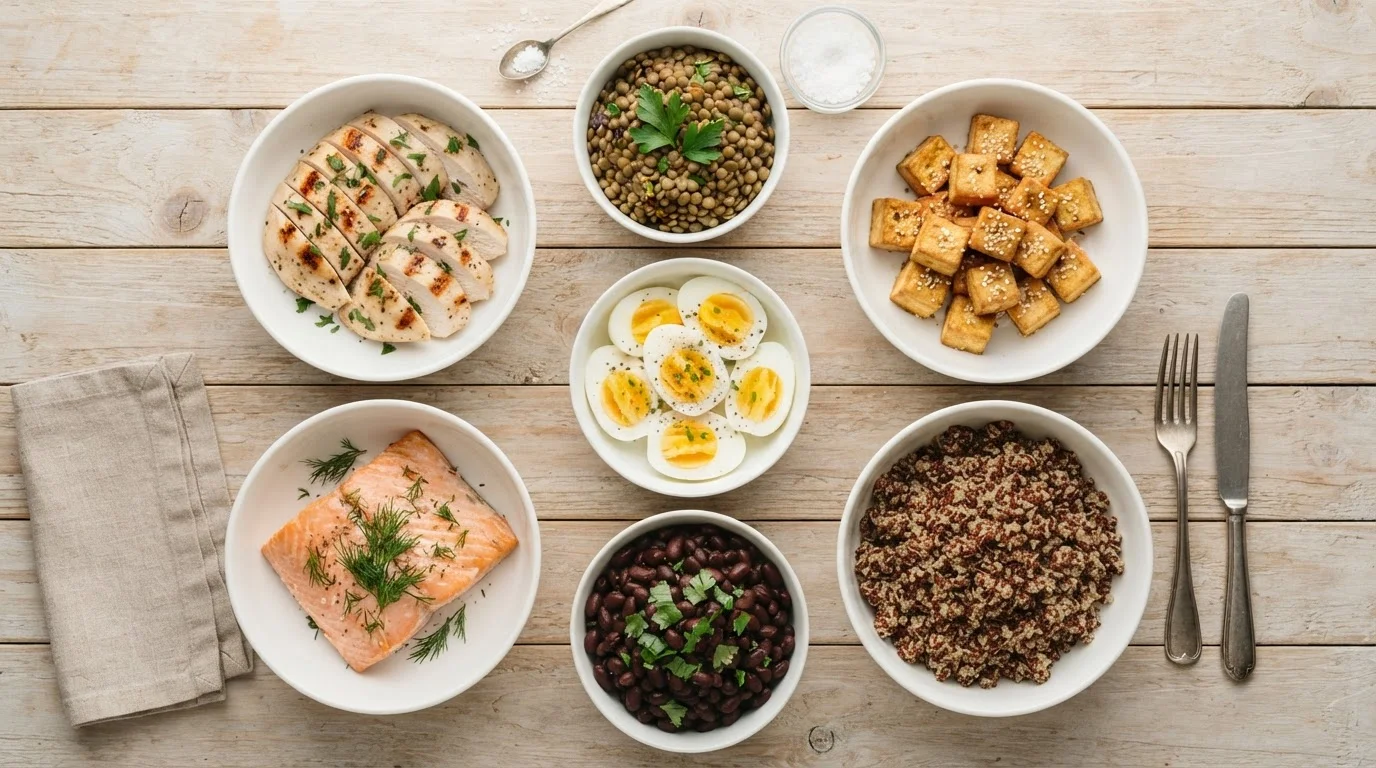
Animal proteins offer complete amino acid profiles and high digestibility, making them efficient sources for muscle repair and overall protein needs. Plant proteins bring fiber, phytonutrients, and sustainability advantages, and can meet all protein needs when varied and well-planned. Neither category is universally superior — a thoughtful mix of both, or a carefully planned plant-focused diet, can support good health for most Americans.
| Best for | Recommended |
|---|---|
| Those seeking the most efficient, complete protein with minimal meal planning | Animal Protein |
| Those prioritizing heart health, fiber intake, or environmental considerations | Plant Protein |
| Most everyday Americans seeking balanced, flexible nutrition | A combination of both |
What Makes a Protein Source 'Complete'?
Protein is made up of amino acids — 20 in total, nine of which are considered essential because the body cannot produce them on its own. A protein source is called complete when it supplies all nine essential amino acids in amounts sufficient to support the body's needs.
Animal proteins — including meat, poultry, fish, eggs, and dairy — are universally complete. Plant proteins are more varied: soy and quinoa are notable exceptions that are also complete, while most other plant foods (legumes, grains, nuts, seeds) are lower in one or more essential amino acids. This doesn't make plant proteins inadequate, but it does mean variety matters more when relying on them as a primary source.
For a deeper look at how food quality shapes overall nutrition, see how whole vs. processed foods affect your diet.
| Animal Protein | Plant Protein | |
|---|---|---|
| Amino acid profile | Complete (all 9 essential amino acids) | Often incomplete; soy and quinoa are exceptions |
| Digestibility (DIAAS) | Generally high (often >90%) | Variable; lower in whole legumes and grains |
| Common sources | Chicken, fish, eggs, dairy, beef | Lentils, beans, tofu, tempeh, quinoa, seeds |
| Fiber content | None | Significant — supports gut health |
| Saturated fat risk | Present in red and processed meats | Minimal in most sources |
| Meal planning complexity | Low — single sources are complete | Moderate — variety needed for completeness |
| Typical cost | Varies widely; eggs and canned fish are affordable | Often lower cost; dried legumes especially |
Digestibility and Bioavailability: What Your Body Actually Uses
Eating protein is only half the story — how much your body actually absorbs and uses is equally important. Nutrition scientists measure this using a scale called the DIAAS, which accounts for both amino acid composition and how efficiently the gut absorbs them.
Animal proteins typically score high on digestibility. Eggs, dairy, and lean meats are absorbed at rates often above 90%. Plant proteins vary more widely — isolated soy protein scores comparably to many animal sources, while whole legumes and grains score somewhat lower, partly due to fiber and naturally occurring compounds (like phytates) that can reduce absorption.
The practical takeaway: plant-protein eaters can compensate by consuming a modestly higher total protein intake and choosing a diverse mix of sources throughout the day. Cooking methods also matter — soaking, sprouting, or fermenting legumes and grains can improve their digestibility meaningfully.
~10–35%
Recommended protein as share of daily calories
The Dietary Guidelines for Americans suggests protein should make up 10–35% of total daily caloric intake for most adults.
0.8 g/kg
Minimum daily protein per body weight
The U.S. Recommended Dietary Allowance for protein is 0.8 grams per kilogram of body weight per day for sedentary adults.
~32%
Americans meeting daily protein targets from plant sources
Research published in nutrition journals suggests a growing share of U.S. adults are increasing plant-based protein consumption, though most still rely primarily on animal sources.
Practical Everyday Use: Fitting Protein Into Your Plate
Beyond nutrition labels, everyday practicality shapes which protein sources people actually eat consistently. Animal proteins like canned tuna, eggs, Greek yogurt, and rotisserie chicken are quick to prepare and widely available. Plant proteins such as canned beans, lentils, edamame, and tofu are increasingly accessible and shelf-stable, making them budget-friendly staples.
Pairing plant proteins strategically — rice with beans, hummus with whole-grain pita, or oatmeal with hemp seeds — ensures a complete amino acid profile across meals without requiring meticulous tracking. Most nutrition experts and major dietary guidelines suggest that a varied diet naturally covers these needs when caloric intake is adequate.
Animal protein sources do carry some additional considerations: processed meats (such as deli meats and sausages) are associated in research with higher sodium and saturated fat intake, while fatty fish like salmon offer beneficial omega-3 fatty acids. Choosing lean, minimally processed animal proteins and a wide array of plant proteins is a reasonable evidence-informed approach for most adults.
For practical help structuring meals that balance protein with vegetables and carbohydrates, explore building a balanced plate at every meal.
This article is for general informational and educational purposes only and is not a substitute for professional medical or dietary advice. Speak with a registered dietitian or qualified healthcare provider for guidance tailored to your individual health needs.