

Cars & Driving

Before Every Long Road Trip: A Driver's Readiness Checklist

Share
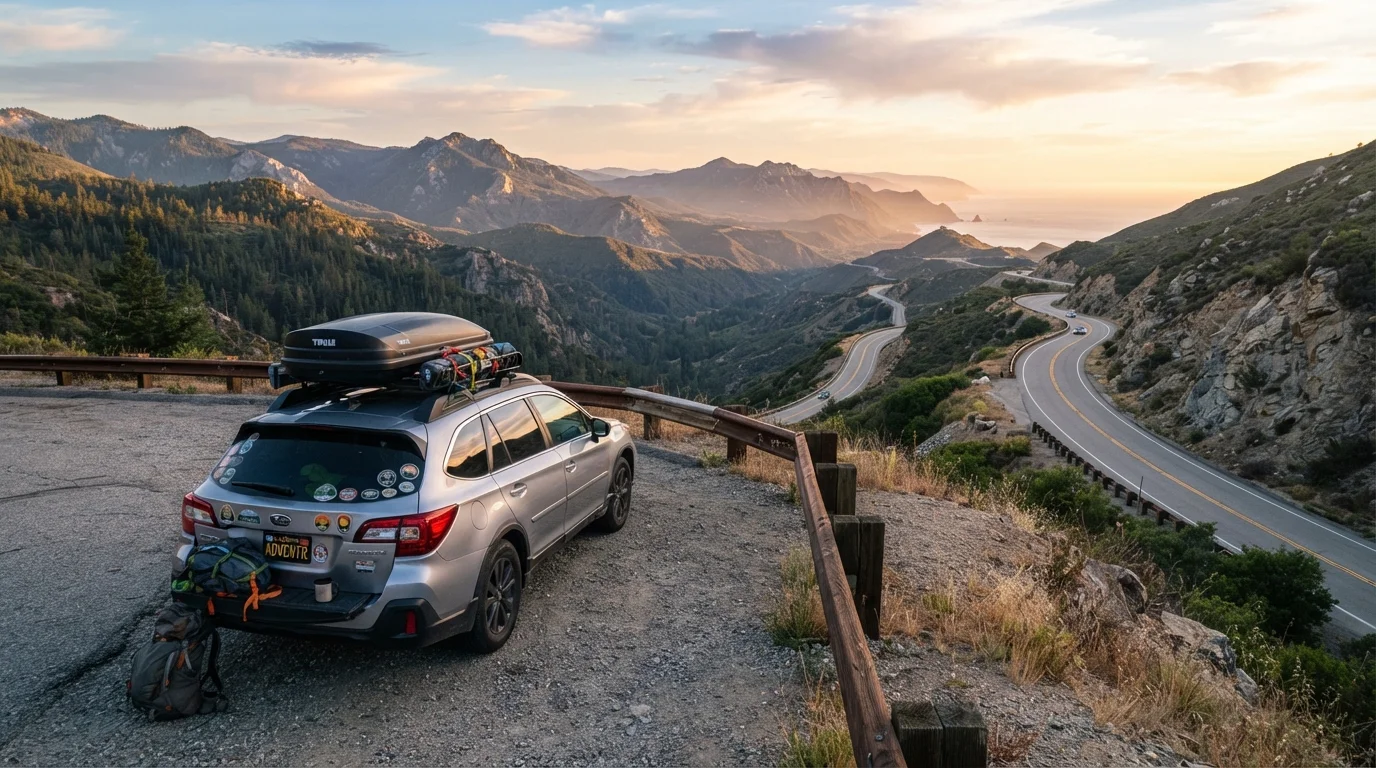
A car parked at a highway overlook with an open road stretching into the distance at dawn

Key Takeaways

Check your vehicle's fluids, tires, and lights at least one day before a long drive.
Driver fatigue and distraction are among the leading contributors to highway incidents.
Planning your route, rest stops, and emergency contacts in advance reduces decision pressure on the road.
Carry an emergency kit with basics like a first-aid kit, jumper cables, and a flashlight.
Never start a long trip on less than seven hours of sleep the night before.
30–60 min

Summary

22 items · 30–60 minutes

Why a Pre-Trip Checklist Matters

Long highway drives expose you to higher speeds, longer sustained attention demands, and fewer opportunities to pull over quickly if something goes wrong. A structured review before you leave home doesn't guarantee a flawless trip, but it significantly reduces the number of preventable problems you'll face on the road.

This checklist is organized into four areas: your vehicle's mechanical condition, your onboard supplies, your route plan, and your own physical readiness. Each one matters. A well-maintained car driven by an overtired person is just as risky as the reverse. Run through all four before any drive of two hours or more.

For a deeper look at how everyday driving habits gradually chip away at your attention, see our article on habits that quietly erode driver awareness.

Vehicle Condition

Check engine oil level and top off if low — do this when the engine is cold for an accurate reading. Must
Inspect coolant, brake fluid, power steering fluid, and windshield washer fluid levels. Must
Check all four tire pressures using a gauge, including the spare, and inflate to the manufacturer's recommended PSI found in the driver's door jamb. Must
Visually inspect tires for uneven wear, cracks, or embedded objects that could cause a blowout. Must
Test all exterior lights — headlights, taillights, brake lights, turn signals, and hazard lights. Must
Confirm your windshield wipers clear the glass cleanly without streaking; replace blades that are six months or older. Should
Make sure your gas tank is at least three-quarters full before departing, especially in rural or remote routes. Should

Emergency and Safety Supplies

Confirm your vehicle has a working spare tire, jack, and lug wrench — and that you know how to use them. Must
Pack a basic first-aid kit with bandages, antiseptic wipes, pain reliever, and any personal prescription medications. Must
Carry jumper cables or a portable jump starter battery pack in case of a dead battery. Should
Include a flashlight with working batteries, a reflective triangle or road flares, and a basic multi-tool. Should
Keep a phone charger and a portable power bank so you're not stranded without navigation or communication. Should
Pack water and non-perishable snacks in case of unexpected delays or breakdowns in remote areas. Nice to have

Route and Navigation Planning

Load your route into your navigation app and download offline maps for areas with unreliable cell coverage. Must
Identify rest stop locations, gas stations, and hospitals along your planned route before leaving home. Should
Share your itinerary and estimated arrival time with someone who is not traveling with you. Should
Check current road conditions and weather forecasts for each leg of the drive, including mountain passes or coastal routes. Must
Confirm your vehicle registration, insurance card, and driver's license are current and in the car. Must

Driver Physical Readiness

Get at least seven hours of sleep the night before departure — do not begin a long drive on poor rest. Must
Avoid starting a long drive within two hours of taking any medication that lists drowsiness as a side effect. Must
Eat a balanced meal before setting off and avoid heavy, carbohydrate-dense meals that can increase drowsiness. Should
Set a firm rule with all passengers to alert the driver if they show signs of fatigue — including drifting or slow responses. Nice to have

Tools and Supplies to Have Ready

Before you run through the checklist, make sure you have what you need to actually perform each check. Some items require simple tools; others are about knowing what to look for.

Required

Tire pressure gauge

Accurately measures PSI in each tire so you can compare it against the manufacturer's recommended inflation level.

Required

Flashlight or headlamp

Allows you to inspect under the hood, check tire sidewalls, and read fluid levels in low-light conditions.

Optional

Portable jump starter

Enables you to restart a dead battery without needing another vehicle nearby — especially useful in remote areas.

Required

Offline navigation app (e.g., downloaded maps)

Provides routing guidance in areas with limited or no cellular signal along rural highway stretches.

Optional

Paper road atlas or printed route

Serves as a reliable backup if your phone battery dies or your navigation app fails mid-route.

If your vehicle is due for a seasonal inspection — fluids, battery load test, or tire rotation — handle that before the trip, not after. The seasonal car maintenance guide covers what to verify before summer and winter conditions.

Driver Readiness: The Factor Most People Skip

Vehicle checks get most of the attention before a road trip, but driver condition is equally important and far easier to overlook. Fatigue, medication side effects, emotional stress, and even mild dehydration can all reduce reaction time and judgment behind the wheel.

Fatigue Is Not a Minor Risk

Driving while significantly fatigued impairs reaction time and judgment in ways that can be comparable to driving while impaired. If you slept fewer than six hours the night before, consider delaying departure or sharing driving duties. Caffeine can provide short-term alertness but does not eliminate underlying fatigue — it should not be treated as a reliable substitute for rest.

Plan your rest stops intentionally — roughly every two hours or 100 miles, whichever comes first. If you'll be driving after dark, review the key factors around night driving considerations so you're not caught off guard by reduced visibility and fatigue compounding each other.

New drivers unfamiliar with what to check mechanically should start with car maintenance basics for new drivers before working through the vehicle section of this checklist.

This checklist is intended as general guidance for trip preparation and is not a substitute for professional mechanical inspection. If you have concerns about your vehicle's condition, consult a qualified mechanic before traveling.

Cars & Driving Editorial Team is the collective byline for our editorial team and contributor network. Articles published under this byline or an editorial pen name are researched, written, and reviewed according to our editorial standards for clarity, consistency, and independence before publication.

View all articles by Cars & Driving Editorial Team →
Disclaimer: The content on this site is for informational purposes only and is not a substitute for professional advice. Always consult a qualified professional for guidance specific to your situation.