

Key Takeaways
Debt Consolidation
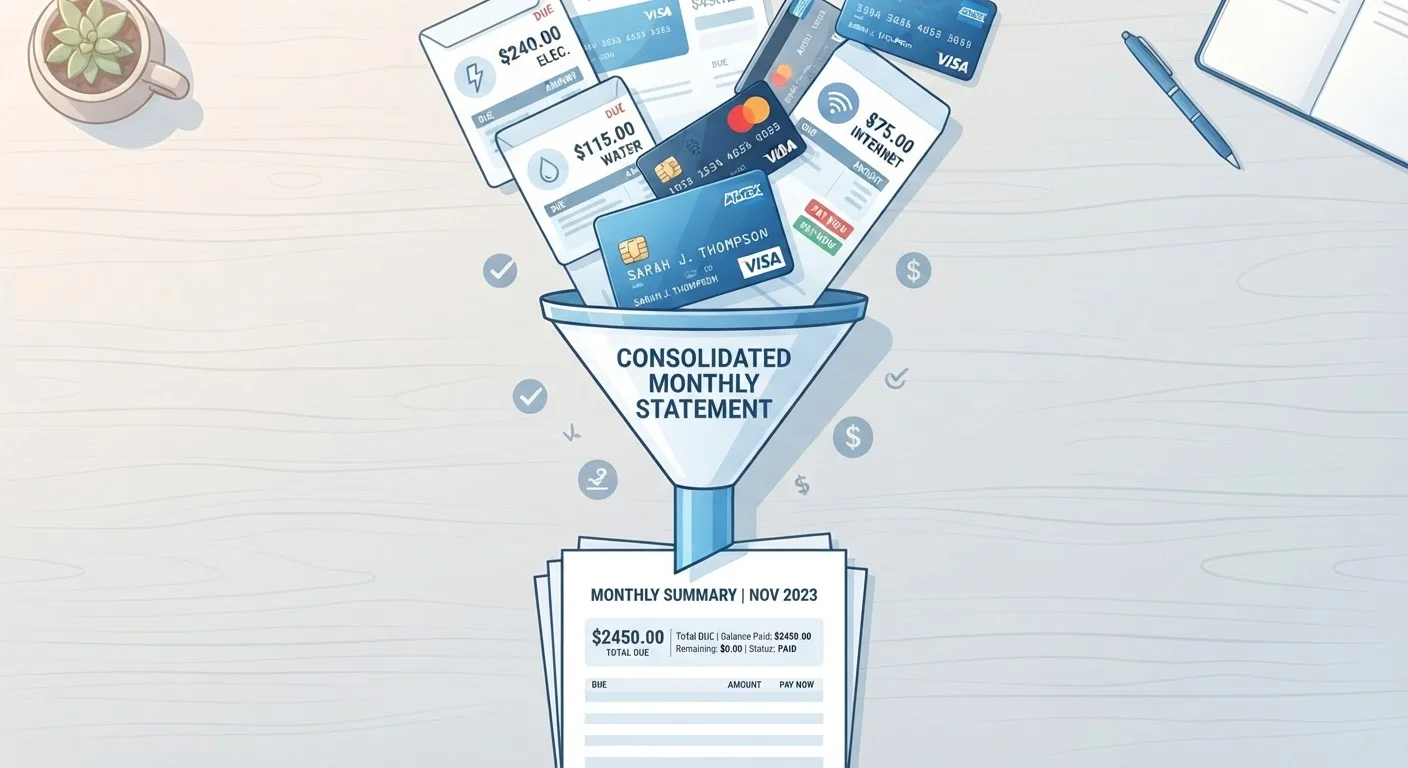
Debt consolidation means combining multiple debts — such as credit card balances, medical bills, or personal loans — into a single new loan or payment. The goal is usually to simplify repayment and, ideally, reduce the interest rate you're paying overall. It doesn't erase what you owe; it reorganizes it.
Consolidation is distinct from debt settlement, which involves negotiating to pay less than the full balance owed and carries significant credit score and tax consequences.
How Debt Consolidation Actually Works
At its core, debt consolidation is a financial move — not a magic fix. You take out a new form of credit (a loan, a credit card with a promotional rate, or a line of credit secured by your home) and use it to pay off several existing balances. After that, you owe one creditor instead of many, and ideally at a lower average interest rate.
The most common approaches include:
- Personal loans: An unsecured loan from a bank, credit union, or online lender used to pay off other balances. You repay it in fixed monthly installments over a set term.
- Balance transfer credit cards: Cards that offer a low or 0% introductory APR on transferred balances for a limited period — often 12 to 21 months. A transfer fee (typically 3–5% of the balance) usually applies.
- Home equity loans or HELOCs: Borrowing against the equity in your home. These often carry lower interest rates but put your home at risk if you can't repay.
- Debt management plans: Offered through nonprofit credit counseling agencies, these aren't technically loans — the agency negotiates reduced interest rates with your creditors and you make one monthly payment to the agency.
Each method carries different eligibility requirements, costs, and risks. See our readiness checklist before taking on a personal loan to pay off debt to think through the key questions first.
When Consolidation Makes Financial Sense
Consolidation isn't right for every situation. It makes the most sense when three conditions line up:
- You qualify for a meaningfully lower interest rate. If you're paying 22% APR across several credit cards and can consolidate at 12%, the math works in your favor. If the new rate is similar or higher, you're not gaining much financially.
- You can realistically repay within the new loan's term. Stretching a balance over a longer repayment window lowers your monthly payment but often increases total interest paid. Run the numbers before signing.
- You've addressed the behavior that created the debt. Consolidating without changing spending habits risks leaving you with both the new loan and a fresh round of credit card balances — a common and costly trap.
~$7,000
Average U.S. household credit card balance
According to Federal Reserve data, revolving consumer credit balances remain a significant financial burden for many American households.
20%+
Average credit card interest rate in recent years
The Federal Reserve reports that average credit card APRs have reached historically high levels, making the interest rate comparison central to any consolidation decision.
3–5%
Typical balance transfer fee
Most balance transfer cards charge a percentage of the transferred amount as an upfront fee, which should be factored into total cost calculations.
Consolidation is less likely to help if your debt load is small enough to pay off in under a year through budgeting alone, or if your credit score makes it hard to qualify for a rate that's actually better than what you're paying now. For households carrying several types of debt at once, our guide on keeping savings and debt payoff in balance covers the broader trade-offs worth understanding.
The Trade-Offs You Should Know About
No financial tool is without downsides, and consolidation is no exception.
Run the Total Cost, Not Just the Monthly Payment
A longer loan term lowers your monthly bill but often means paying more interest overall. Before committing, calculate the total amount you'll repay across the entire loan term and compare it to what you'd pay staying on your current path. Many credit unions and nonprofit credit counselors can help you run these numbers for free.
Fees can eat into savings. Balance transfer fees, loan origination fees, and prepayment penalties can reduce or eliminate the interest savings you expected. Always calculate the total cost of the new arrangement, not just the monthly payment.
Secured options carry real risk. Using your home equity to pay off unsecured credit card debt converts debt that a creditor can't easily collect on into debt backed by your house. Missing payments on a home equity loan can lead to foreclosure.
It may not solve the root problem. Consolidation restructures debt — it doesn't address the income gap, unexpected expenses, or spending patterns that led to it. Building even a small emergency fund alongside debt repayment reduces the chance of sliding back into high-interest borrowing. Our guide to paying off debt when money is tight offers a realistic starting point for households working with limited margins.
For a full picture of household debt strategy, the comprehensive household debt payoff guide walks through every stage from assessment to final payment.
This article is for general informational purposes only and does not constitute personalized financial or legal advice. Consult a qualified financial adviser or nonprofit credit counselor before making decisions about debt consolidation specific to your situation.