

Key Takeaways
Option A
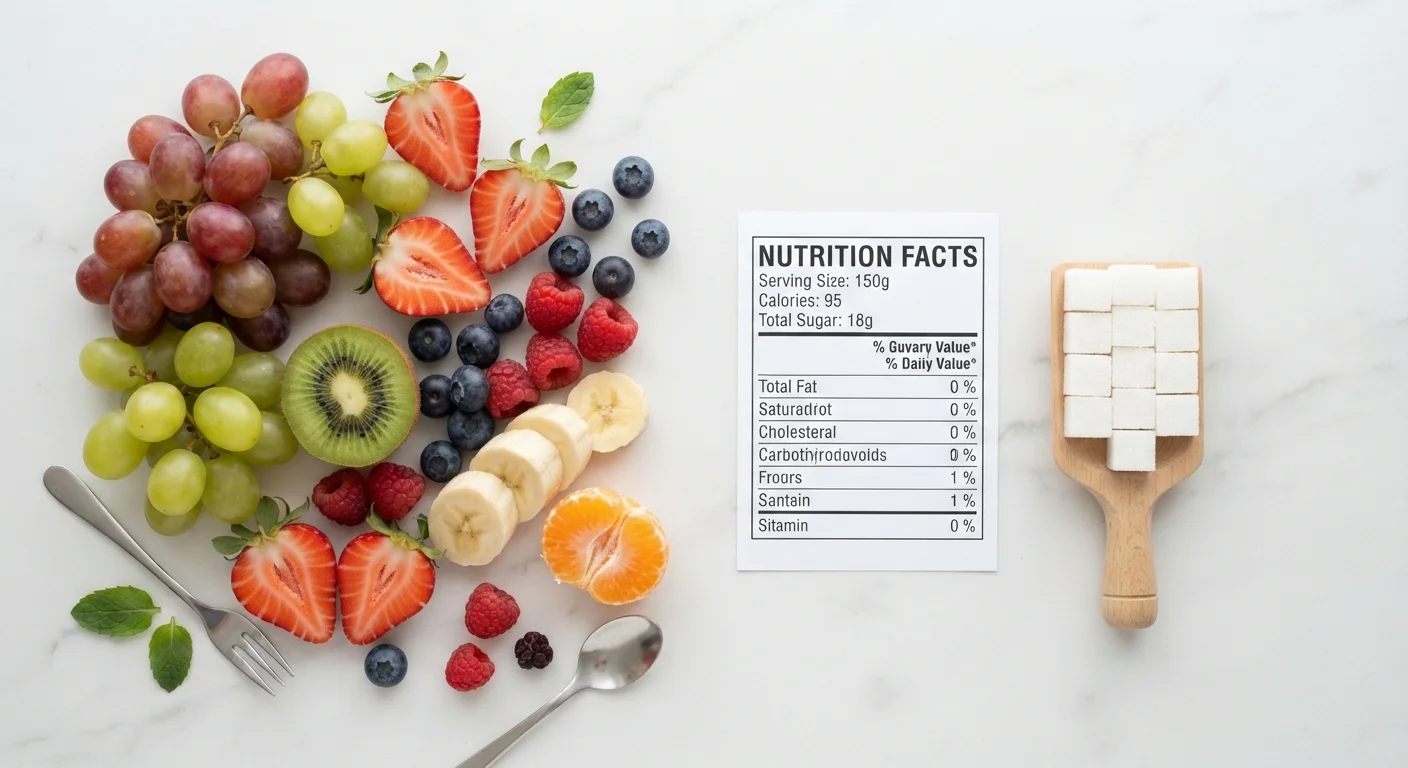
Natural Sugar
The sugar that comes packaged with nutrients.
Best for: Consumers who want to understand why whole fruit and dairy can be part of a balanced diet despite containing sugar.
Option B
Added Sugar
The sugar that delivers calories with little else.
Best for: Readers trying to identify hidden sugar sources on nutrition labels and reduce intake for better overall health.
If you want to satisfy a sweet craving more healthfully
Natural Sugar
Whole fruits deliver sweetness alongside fiber and micronutrients, which help moderate blood sugar spikes and support satiety.
If you are monitoring your diet to reduce chronic disease risk
Natural Sugar
Limiting added sugars while keeping naturally occurring sources is consistent with evidence-based dietary guidelines for long-term health.
If you are reading food labels to make smarter grocery choices
Added Sugar
Focusing your label-reading attention on the 'Added Sugars' line helps you identify products worth limiting, regardless of total sugar content.
What Makes a Sugar 'Natural' or 'Added'?
The terms natural sugar and added sugar describe where sugar comes from — not what the sugar molecule itself looks like. Both types are chemically similar forms of glucose, fructose, or sucrose. The crucial difference lies in the food matrix surrounding them.
Natural sugars are those occurring inherently in whole, minimally processed foods. The fructose in an apple and the lactose in plain milk are natural sugars. They arrive in food alongside fiber, water, protein, vitamins, and minerals — a package that influences how your body processes them.
Added sugars, by contrast, are any sugars or caloric sweeteners — including white sugar, honey, agave, corn syrup, and fruit juice concentrates — incorporated into a food or drink during preparation or manufacturing. A can of soda, a flavored yogurt, and a store-bought salad dressing may all contain significant added sugars even when they don't taste overtly sweet.
Understanding this context matters because the food matrix fundamentally shapes the nutritional experience of eating sugar, not just the molecule itself. This is also why the degree of food processing plays such an important role in overall dietary quality.
How Your Body Responds Differently
When you eat a whole apple, the fiber in its cell walls slows the digestion and absorption of fructose. This leads to a more gradual rise in blood glucose and a stronger feeling of fullness. The vitamins and antioxidants present also contribute positively to health beyond pure energy delivery.
When you drink a glass of apple juice — even 100% juice with no added sugar — much of that fiber is gone. The sugars absorb faster. Liquid calories are also less satiating than solid food, meaning you are less likely to compensate by eating less later. This distinction becomes even sharper with heavily sweetened beverages or ultra-processed snacks.
| Criterion | Natural Sugar | Added Sugar |
|---|---|---|
| Source | Whole fruits, vegetables, dairy | Added during processing or cooking |
| Nutrient package | Fiber, vitamins, minerals present | Calories only, minimal nutrients |
| Absorption speed | Slowed by fiber and food matrix | Often rapid, especially in liquids |
| Satiety effect | Generally more filling | Less satiating per calorie |
| Label visibility | Included in Total Sugars only | Listed separately as Added Sugars |
| Dietary guidance | No specific limit for most adults | Limit to under 10% of daily calories |
Research consistently links high added sugar intake with increased risk of weight gain, elevated triglycerides, type 2 diabetes, and cardiovascular disease. The American Heart Association notes that most Americans consume well above recommended limits, largely through beverages, sweets, and processed foods.
17 tsp
Average daily added sugar intake in the U.S.
The CDC estimates average American adults consume around 17 teaspoons of added sugar per day, well above federal recommendations.
10%
Recommended added sugar ceiling
The Dietary Guidelines for Americans advise keeping added sugars below 10% of total daily caloric intake.
39g
Added sugar in one 12 oz cola
A single 12-ounce regular cola can contain roughly 39 grams of added sugar, nearly at or above the recommended daily limit.
This article is for general informational purposes only and is not a substitute for professional medical or dietary advice. Consult a qualified healthcare provider or registered dietitian for guidance specific to your health needs.
Reading Labels and Reducing Added Sugar Intake
Since 2020, the updated Nutrition Facts label required on most packaged foods in the U.S. lists Added Sugars as a distinct line item beneath Total Sugars. This regulatory change was designed to help consumers make that exact distinction at the grocery shelf.
A few practical habits can help you manage added sugar without eliminating enjoyable foods:
- Check the Added Sugars line, not just Total Sugars — a plain yogurt and a flavored yogurt may look similar at a glance but differ dramatically in added sugar content.
- Scan ingredient lists for aliases: terms like cane syrup, dextrose, maltose, evaporated cane juice, and high-fructose corn syrup all indicate added sugars.
- Prioritize whole fruits over fruit juices or fruit-flavored products to get sweetness with fiber intact.
- Choose unsweetened or lightly sweetened versions of commonly sweetened staples such as oatmeal, nut butters, and beverages.
The Dietary Guidelines for Americans recommend limiting added sugar to fewer than 10% of total daily calories. For a typical 2,000-calorie diet, that works out to roughly 50 grams — a threshold many packaged beverages alone can exceed in a single serving.
No single food makes or breaks a diet, and natural sugars in fruits and dairy do not need to be restricted for most healthy adults. The focus on reducing added sugars, rather than avoiding all sugar, reflects a more nuanced, evidence-grounded approach to everyday eating.