
Dressing Well as You Age: What Changes, What Stays the Same, and What Gets Easier

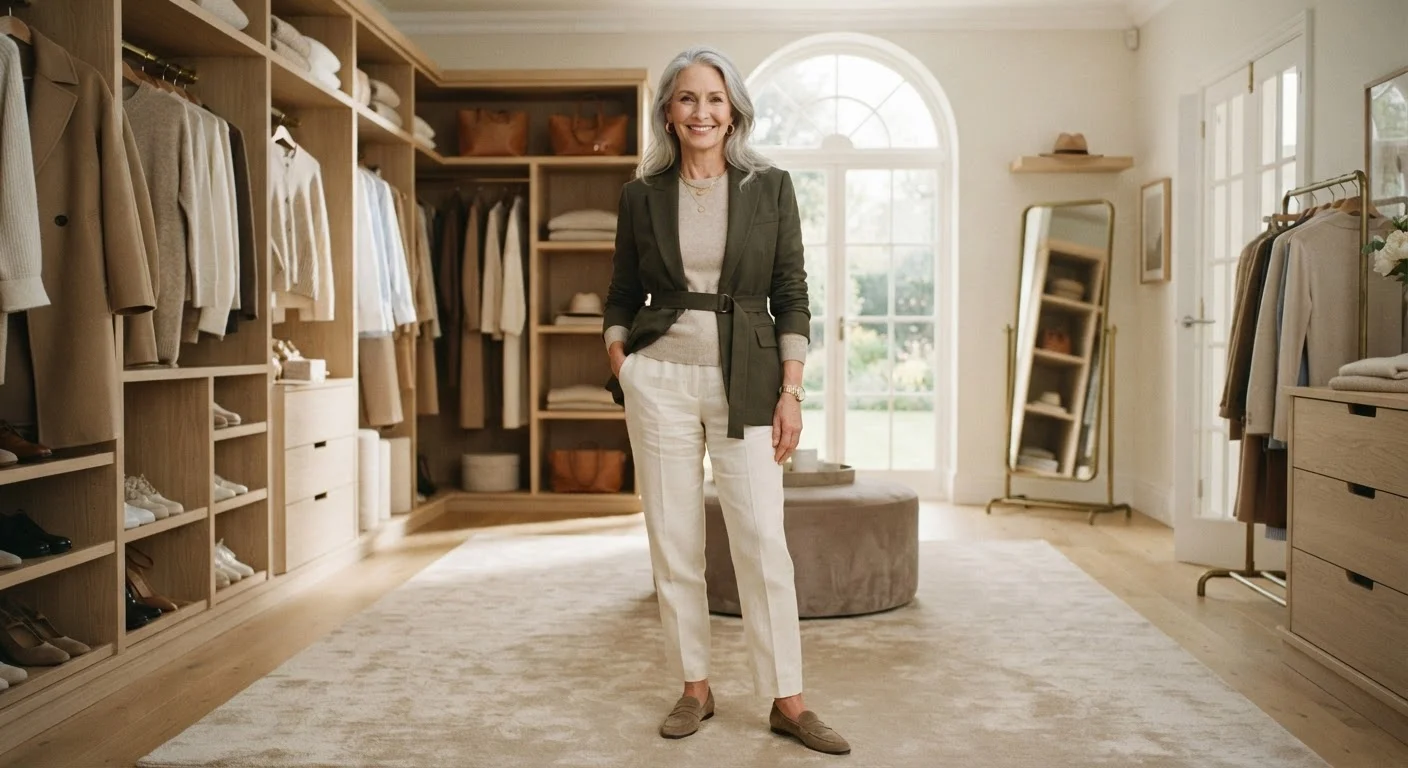
Key Takeaways
Why Style Evolves — and Why That's Often Good News
Fashion conversations tend to treat aging as a problem to dress around. In reality, getting older usually brings something genuinely useful to your wardrobe: self-knowledge. You've had enough experiences in clothes — the uncomfortable shoes, the trendy piece you wore twice, the classic jacket you've kept for fifteen years — to start making smarter choices.
What shifts most noticeably is priority. In earlier adulthood, many people dress partly to signal identity to the world. Later on, the signal matters less, and the experience of wearing the clothes matters more. That's not a loss — it's a trade-up. Comfort, quality, and authenticity tend to rise to the top of the list, and those happen to be the ingredients of genuinely good style.
If you've ever felt pressure to dress for your age — either by following conservative rules or by chasing youth-oriented trends — it helps to step back. As our guide on body-type dressing rules explores, prescriptive style advice often creates more anxiety than it solves. What actually works is more personal and more flexible than any rulebook suggests.
What Changes as You Get Older
Several practical realities shift over time, and acknowledging them honestly makes dressing easier — not harder.
- Your body changes. Weight, posture, and proportions shift across adult life. Clothes that fit well in your thirties may not flatter the same way in your fifties, and that's entirely normal. The answer isn't to mourn the change — it's to invest in fit. Well-fitted clothes in your current size will always look better than garments you're holding onto from a different chapter.
- Your lifestyle changes. Career shifts, retirement, different social commitments, and varying activity levels all reshape what you actually need in your wardrobe. A wardrobe audit — honestly asking what your days look like now — often reveals that you're dressing for a life you no longer live.
- Your skin and hair change. Certain colors that felt energizing in your twenties may read differently against your complexion now, while others that once seemed dull might suddenly work beautifully. Experimenting with color near your face is worth revisiting every few years. Our skincare basics hub and hair and makeup hub offer practical guidance on complementing those changes.
Small Alterations, Big Results
One of the most underused style tools at any age is a basic tailor. Having trousers hemmed, a waist taken in, or a sleeve shortened can make an affordable garment look custom-made. Many dry cleaners offer simple alterations at modest cost — it's worth asking.
What Stays the Same
Despite what trend cycles suggest, a lot of style fundamentals are remarkably durable. Proportion, fit, and color harmony work the same way at fifty-five as they did at twenty-five. A well-fitted garment in a flattering shade will look polished regardless of the decade you're in.
Your personal taste — the textures you're drawn to, the silhouettes that feel like you — also tends to persist across time, even as it deepens and refines. This is the seed of what style writers call a signature look: a consistent aesthetic thread that makes your wardrobe feel coherent rather than accidental. If you're curious about the trade-offs between building that consistency and experimenting with trends, our article on signature style vs. trend-chasing is worth a read.
What Gets Easier: A Step-by-Step Approach
Here's where it gets encouraging. With a little intention, dressing well genuinely becomes less effortful as you get older — not more. Follow these steps to reset your wardrobe around where you actually are right now.
Audit your wardrobe against your actual life
Pull out everything you own and ask one honest question: does this match how I actually live right now? Not how I lived five years ago, or how I aspire to live — but today. Sort into three piles: fits and flatters, keep but alter, and let go. Most people discover they have been dressing for a lifestyle they've already moved on from.
Prioritize fit over size labels
Clothing size numbers vary enormously between brands and mean very little about how a garment will look on your body. Focus entirely on how something fits across the shoulders, through the torso, and at the hem. If a piece is close but not quite right, a basic alteration — hemming trousers, taking in a waist — can transform it. A tailor's small adjustment often does more for your appearance than buying something entirely new.
Reassess your color palette
Hair color, skin tone, and complexion all shift over time, which means the colors that work near your face may shift too. Hold different shades of fabric up near your chin in natural light and notice which ones make you look refreshed versus washed out. You don't need a formal color analysis — just honest observation. Update your palette gradually rather than all at once.
Invest in fewer, better-quality basics
A smaller wardrobe of well-made, versatile pieces generally serves people better than a large closet full of fast-fashion impulse buys. Focus on fabrics that hold their shape, breathe well, and feel comfortable throughout the day. Natural fibers like cotton, linen, and wool tend to wear better over time and look more polished with minimal effort.
Let go of age-based rules that don't serve you
You may have absorbed messages about what people "your age" should or shouldn't wear. Most of these rules are cultural conventions, not facts — and many are rooted in ideas about visibility and conformity rather than genuine style wisdom. The more useful filter is: does this feel appropriate to the occasion, does it fit well, and do I feel good wearing it? If yes to all three, the rule doesn't apply.
Building Confidence That Lasts
Dressing well as you age is ultimately less about clothing rules and more about a kind of quiet self-respect. When you wear things that genuinely fit your body, your life, and your personality — rather than someone else's expectations — getting dressed stops being a source of stress and starts being something close to enjoyable.
For a broader look at the full process of developing a style that actually works for you, our end-to-end personal style guide walks through every stage. And remember: there's no finish line. Style, like identity, keeps evolving — and that's exactly as it should be.
This article is for general informational and educational purposes only. Individual style needs vary; what works for one person may not suit another. When making significant changes to your wardrobe, trust your own comfort and practical needs above any external guideline.