

Key Takeaways
Why Loyalty Programs Often Benefit the Retailer More Than You
Loyalty programs are among the most effective tools retailers use to increase purchase frequency and average transaction size. That doesn't make them worthless for consumers — but it does mean the structure is designed around the retailer's goals, not yours. Understanding that tension is the first step toward using these programs on your own terms.
The mechanics are straightforward: you earn points or rewards for spending, and you redeem them for discounts or perks. The problems emerge in the gaps — expiration policies, redemption restrictions, and shifting point values that quietly chip away at what you thought you'd earned. These aren't accidents; they're features of the system that reduce liability and encourage continued spending.
For a broader look at how retailers build friction into supposedly consumer-friendly systems, see our guide to common shopping traps. And if loyalty programs are just one piece of a larger pattern, spending leaks that erode savings covers how small, recurring losses add up across a household budget.
Points Are Not Cash — Treat Them Differently
Retailers and programs can devalue, expire, or restrict points at any time, and most terms of service allow this with minimal notice. Never factor unredeemed points into your household budget as guaranteed savings. Treat them as a bonus you may or may not capture, not a financial asset you can rely on.
The Mistakes That Cost Shoppers the Most
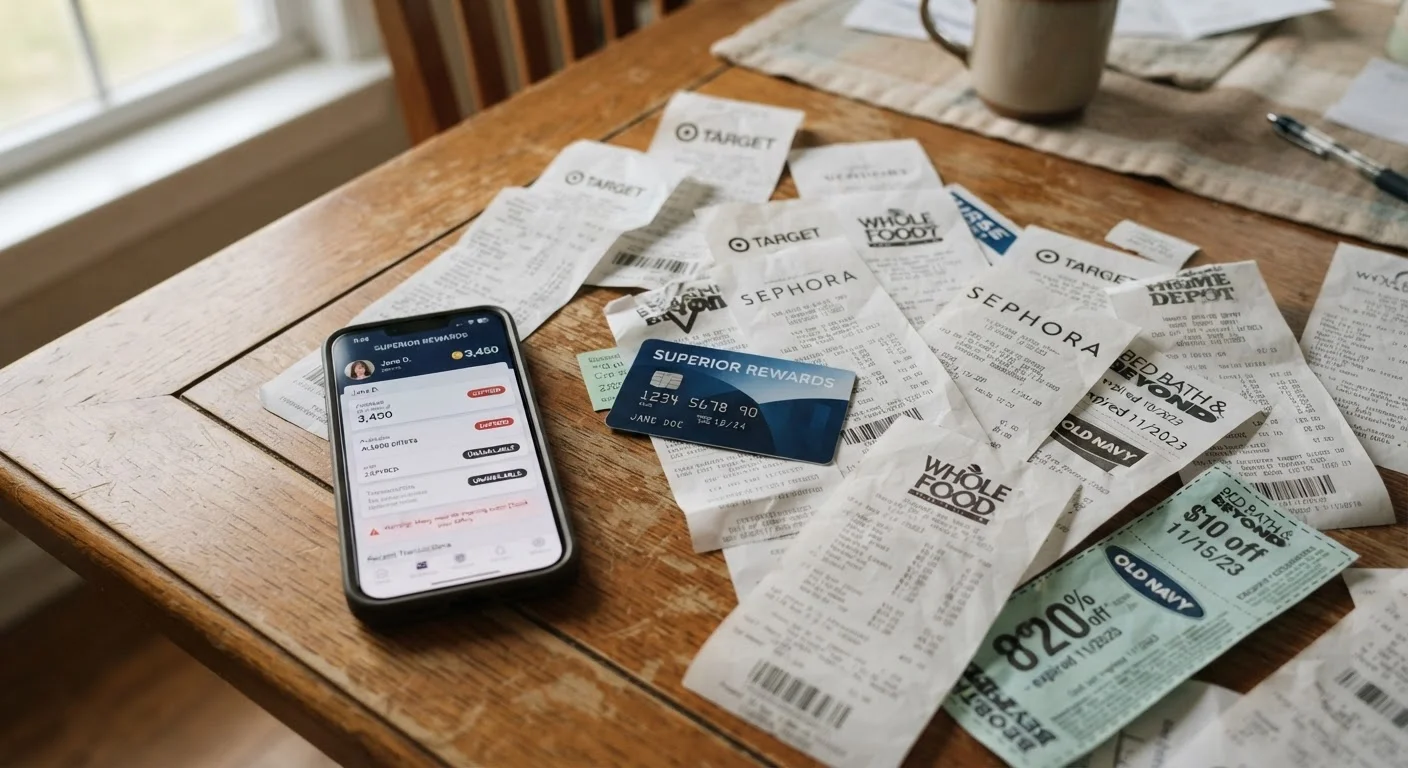
Most loyalty program losses aren't dramatic — they're a steady bleed of points that expire unused, rewards that can't be applied to anything you actually need, and extra spending triggered by threshold mechanics. The mistakes below reflect the most common patterns.
Letting points expire by staying inactive in a program you rarely use.
Why it happens: Many shoppers sign up during a one-time purchase and forget the account exists until their points have already expired.
Overspending to reach a rewards threshold that doesn't justify the extra cost.
Why it happens: Progress bars and "you're this close" prompts are designed to trigger loss aversion, nudging you to add items just to unlock a reward.
Assuming reward points hold their value indefinitely.
Why it happens: Programs rarely advertise when they lower the redemption rate, so shoppers often don't notice until they go to redeem and find their balance buys far less.
Ignoring blackout dates and category exclusions that make rewards nearly impossible to use.
Why it happens: The enrollment process highlights the benefits prominently; restrictions appear in fine print that most people skip.
Enrolling in too many programs and losing track of balances across all of them.
Why it happens: Cashiers and checkout flows routinely prompt sign-ups, making it easy to accumulate a dozen program accounts without a system to manage them.
One related area worth watching: the payment method you use to earn rewards can affect your consumer protections. Our piece on protections that disappear with certain payment methods explains what's at stake when you choose between card types at checkout.
Getting Real Value Without Letting Programs Game You
The shoppers who get the most out of loyalty programs are those who treat them passively — accumulating rewards without changing their natural buying behavior, then redeeming when the value is clear and concrete. The moment a program starts influencing what you buy or how much you spend, you've likely crossed into territory where the retailer is winning more than you are.
~$360
Average unredeemed loyalty value per U.S. household annually
Loyalty program research firms have consistently estimated that U.S. households leave hundreds of dollars in unredeemed rewards unused each year across retail, travel, and dining programs.
Over 50%
Share of loyalty points that are never redeemed
Industry analyses have estimated that more than half of all loyalty points issued globally go unredeemed, often due to expiration, program complexity, or shopper disengagement.
If you're combining loyalty rewards with coupons or cashback offers, make sure you understand how stacking actually works — our guide to stacking promotions walks through the rules. For a broader foundation on evaluating whether a deal is genuinely worth it, the Buying Smart hub is a good starting point.
Loyalty programs can deliver real value — but only when you stay in control of the relationship. Know your terms, track your balances, and redeem with intention rather than impulse.