

Key Takeaways
Why the Price Tag Tells Only Part of the Story
Sticker price is the number retailers lead with, but it rarely reflects what you'll actually spend. A $300 printer, a $1,200 appliance, or a $25,000 vehicle all carry financial tails — recurring costs, one-time fees, and structural commitments that activate the moment you make the purchase. Most buyers don't discover these until after the transaction is complete.
The framework that closes this gap is total cost of ownership (TCO): the full expense of acquiring, operating, maintaining, and eventually replacing a product over its useful life. Applying even a rough TCO lens before buying consistently produces better decisions. The list below covers the categories where hidden costs cluster most reliably — and what to look for in each.
For a deeper look at how low sticker prices can mislead, see why buying cheaper isn't the same as saving money.
Delivery, Installation, and Setup Fees
Large appliances, furniture, and electronics frequently carry delivery and installation charges that aren't reflected in the advertised price. White-glove delivery, haul-away of old units, and professional installation can collectively add $100–$300 or more to what seemed like a clear price. Confirm whether delivery is curbside or room-of-choice, whether installation is included or quoted separately, and whether disposal of an existing unit costs extra. Get the total delivered-and-installed figure before comparing options.
Installation and haul-away fees can add hundreds to a price that looked straightforward online.
Consumables That Outlast the Purchase Price
Some products are designed around a low entry price and high consumable costs. Printer ink cartridges, single-serve coffee pods, replacement razor blades, and HVAC filters are classic examples. The hardware is priced to attract — the margin comes from what you buy repeatedly afterward. Before purchasing, calculate the annual consumable cost and compare it against the purchase price. In many cases, the consumables cost more over two years than the device itself. Understanding long-term cost of ownership is essential here.
Annual consumable costs frequently exceed the original purchase price within two years of ownership.
Subscription Commitments Bundled With Hardware
Smart home devices, security cameras, fitness equipment, and connected appliances increasingly require ongoing subscriptions to unlock their core functionality. A camera that costs $80 may require a $10/month cloud storage plan to actually record footage. A fitness machine may only deliver its advertised content library through a $40/month membership. These commitments are sometimes disclosed only in the fine print. Identify whether the product's primary use case depends on a subscription before buying, and calculate the 12-month total as part of your comparison.
A connected device's real cost includes any subscription required to make it fully functional.
Financing Costs on "Interest-Free" Offers
Deferred-interest financing — often marketed as "0% for 12 months" — can result in a substantial interest charge if the balance isn't paid in full by the promotional deadline. Many plans backcharge interest on the original purchase amount at rates of 25–30% APR if even a small balance remains at the end of the term. Read the financing agreement carefully: distinguish between true 0% APR and deferred-interest structures. Factor the realistic repayment timeline into the true cost of the purchase before committing.
Deferred-interest plans can backcharge months of accumulated interest if not paid off in time.
Maintenance and Ongoing Upkeep
Vehicles, HVAC systems, pools, and large appliances all require scheduled maintenance to perform safely and reliably. Skipping it rarely saves money — it typically accelerates component failure and turns small, predictable expenses into large, urgent ones. Delaying routine maintenance is one of the most reliably expensive decisions owners make. When evaluating any product with a service schedule, look up what annual maintenance realistically costs and include it in your total ownership estimate.
Deferred maintenance almost always costs more than the scheduled upkeep it replaces.
Extended Warranties and Service Contracts
Extended warranties are frequently offered at the point of sale, often at a price that feels reasonable relative to the product. But coverage terms vary enormously. Many plans exclude wear-and-tear, accidental damage, and the components most likely to fail. Before purchasing, read the exclusions section, not just the coverage list. Check whether manufacturer warranty coverage already covers the period the extended plan overlaps, and consider whether the product category has a strong enough reliability history to justify the additional cost. Not all extended warranties are poor value — but the terms determine that, not the sales pitch.
The exclusions section of a service contract reveals more than the coverage list ever will.
Permits, Inspections, and Code Compliance
Home improvement projects — from water heater replacements to deck additions — often require permits that add both cost and process to what buyers initially budget. Skipping required permits can create problems at resale and may void homeowner's insurance coverage for related claims. Renovation project costs routinely run over budget when permit and inspection fees aren't accounted for upfront. Before starting any structural, electrical, plumbing, or HVAC work, verify local permit requirements and include those costs in your initial budget.
Unpermitted work can complicate home sales and void insurance coverage unexpectedly.
Build These Checks Into Every Purchase Decision
None of these cost categories are obscure — they're just easy to ignore when a price looks attractive. The simplest habit is to ask one question before any significant purchase: What will this cost me in year two? That single check surfaces consumables, subscriptions, maintenance, and financing charges that the sticker price hides entirely.
Use a Simple Pre-Purchase Checklist
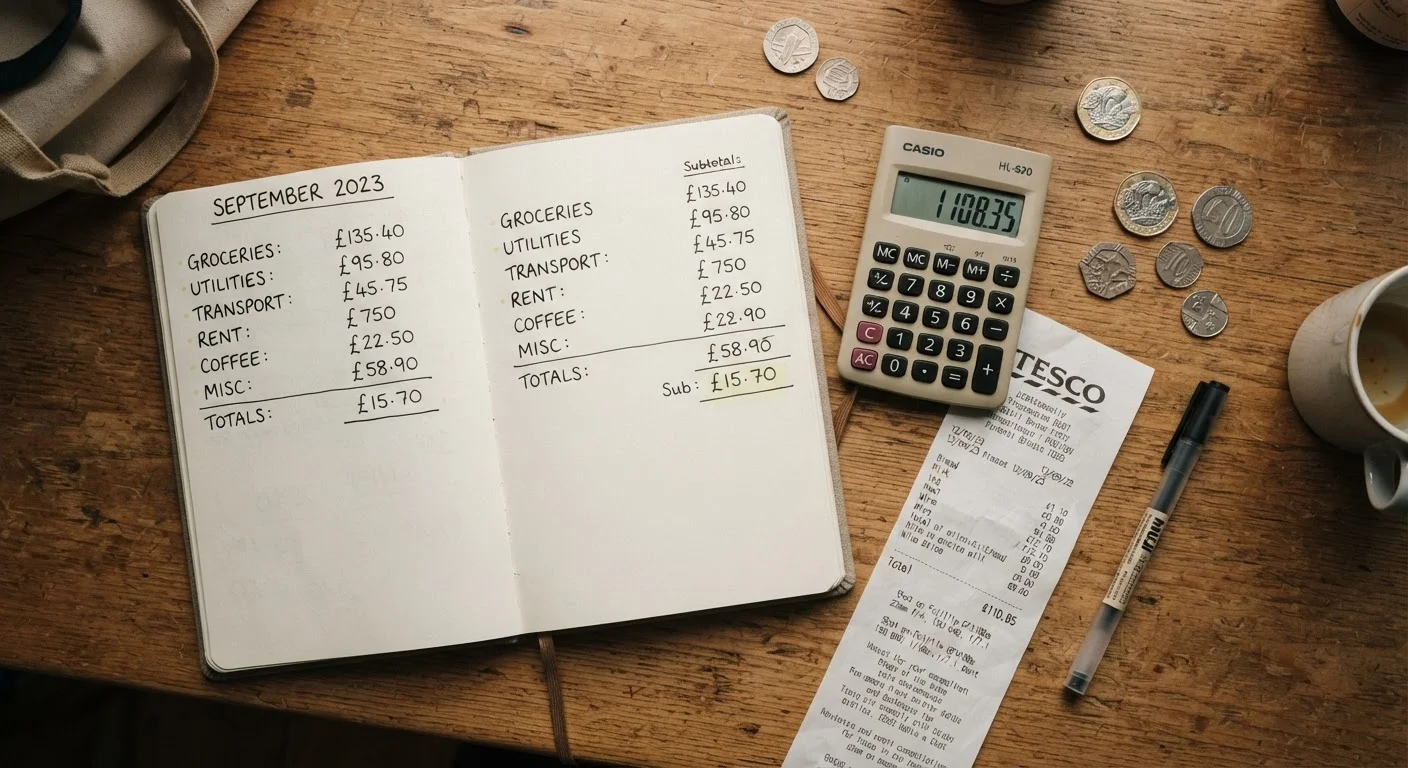
Before finalizing any significant purchase, jot down five line items: delivery/installation, consumables (annual), subscriptions (annual), maintenance (annual), and financing cost if applicable. Add them to the sticker price for a working total cost of ownership. This takes under five minutes and consistently surfaces costs that change the comparison. Effective comparison shopping depends on working from complete numbers, not just the advertised price.
Recurring charges deserve particular scrutiny. A structured subscription audit can help you surface charges that have compounded silently across multiple purchases. Similarly, hidden fees in everyday services follow the same pattern — charges that feel small individually but add up fast. Building a brief cost checklist into your pre-purchase routine doesn't take long, but it consistently prevents the kind of budget surprises that turn a good deal into an expensive lesson.
This article provides general consumer information for educational purposes only. It does not constitute financial or legal advice. Consult a qualified professional for guidance specific to your financial situation.