

Key Takeaways
Car Insurance Premium
A car insurance premium is the amount you pay — typically monthly or every six months — to keep your auto insurance policy active. Insurers calculate this figure by weighing how likely they think you are to file a claim. The higher the perceived risk, the higher the premium.
Premiums are set through actuarial modeling, which aggregates risk factors across large pools of policyholders rather than assessing any individual in isolation.
What Insurers Are Actually Measuring
When an insurer sets your premium, they're trying to predict how much they're likely to pay out on your behalf over the policy period. That calculation pulls together a mix of personal factors, vehicle details, and environmental data.
The core personal factors include your driving history, age, and — in most states — your credit-based insurance score. Your driving record carries significant weight: at-fault accidents and moving violations signal elevated risk to insurers and can elevate your rate for several years. Age matters because accident rates are statistically higher among very young drivers and, to a lesser degree, older drivers.
Your vehicle itself also affects the math. Expensive vehicles cost more to repair or replace, which increases the insurer's potential payout. Some vehicles have higher theft rates or worse safety records, both of which influence pricing. Car depreciation plays a role here too — as a vehicle loses value over time, the cost to insure it for physical damage generally decreases.
~$2,300
Average U.S. annual full-coverage auto insurance premium
According to Bankrate's analysis of 2024 rate data, the national average for full-coverage auto insurance exceeded $2,300 per year, though rates vary widely by state.
3–5 years
How long an at-fault accident typically affects your rate
Most insurers factor at-fault accidents into your premium for three to five years from the incident date, though the specific window varies by insurer and state.
Up to 15%
Typical multi-policy bundling discount range
Industry sources generally cite multi-policy discounts in the range of 5–15%, though actual savings depend on the insurer, state, and policy types combined.
Factors Outside Your Control
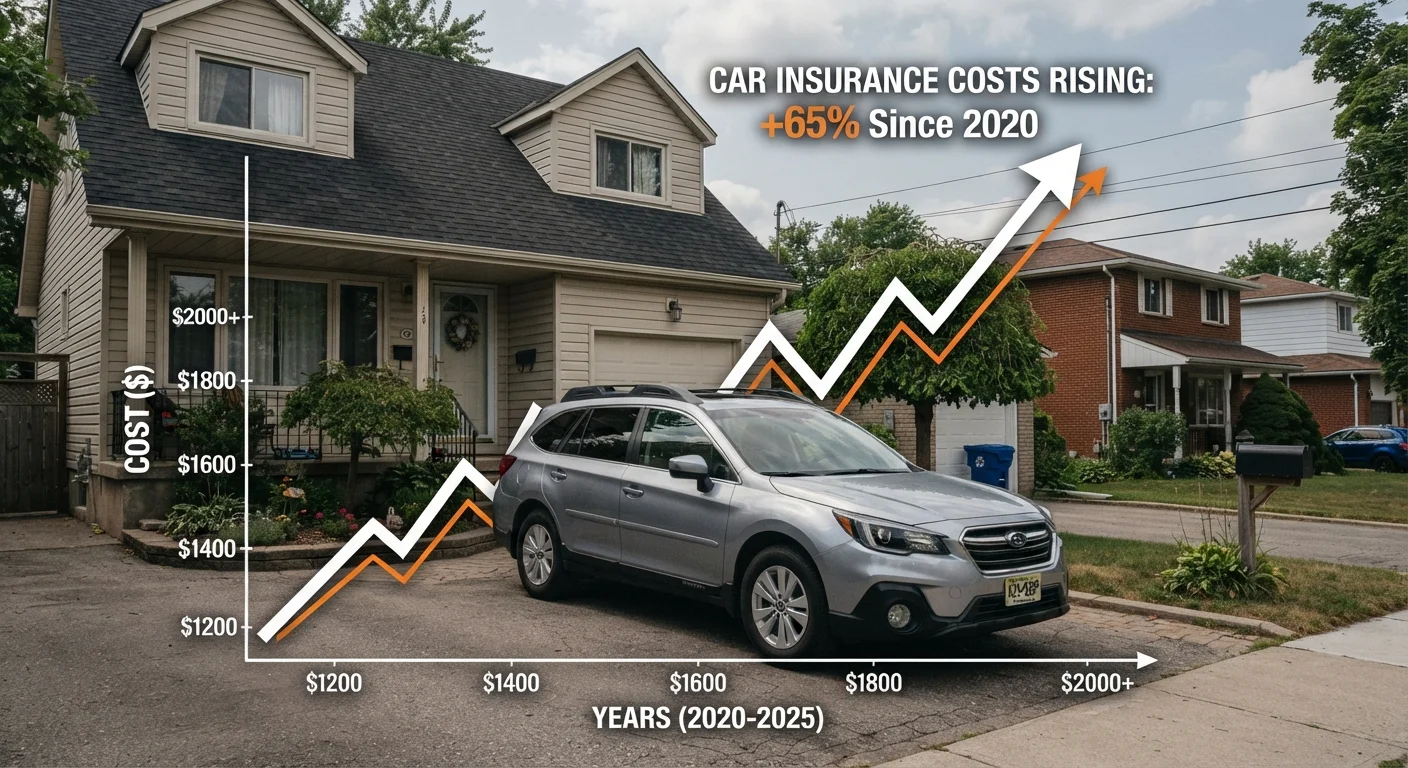
A significant portion of what drives premiums up has nothing to do with your individual behavior. Insurers operate across large geographic pools, and trends in those pools affect everyone's rates.
- Regional claims inflation: When repair costs rise — due to parts shortages, labor market shifts, or more complex vehicle technology — insurers spread those increased costs across policyholders in affected areas.
- Local accident and theft rates: If your ZIP code sees a surge in theft or collision claims, your premium can rise even if you personally never file a claim.
- Weather and natural disasters: Areas prone to hail, flooding, or severe storms tend to have higher comprehensive coverage costs. Insurers adjust for this at the regional level.
- State regulations and litigation trends: Insurance is state-regulated, and states with higher rates of litigation around claims tend to have higher baseline premiums.
Understanding that these forces exist doesn't eliminate their impact, but it does help you interpret a premium increase more accurately rather than assuming it reflects a change in your personal risk profile. For a fuller picture of what car ownership actually costs, see the true cost of owning a car.
Credit-Based Insurance Scores Are State-Dependent
While most U.S. states allow insurers to use a credit-based insurance score when pricing policies, some states — including California, Hawaii, Massachusetts, and Michigan — restrict or prohibit the practice. If you live in one of those states, credit won't factor into your auto premium. Check your state's insurance regulations or ask your insurer directly.
Realistic Ways to Reduce Your Premium
There's no single lever that dramatically cuts premiums for everyone, but several strategies have consistent, documented impact.
Adjust Your Deductible
Your deductible is the amount you pay out of pocket before insurance covers the rest of a claim. Raising it — say, from $500 to $1,000 — typically lowers your premium. The trade-off is real: a higher deductible means more financial exposure after a claim, so this only makes sense if you have savings to cover it.
Maintain Continuous Coverage
Gaps in coverage — even brief ones — can flag you as a higher-risk policyholder to future insurers. Keeping a policy active, even at minimum coverage during a period you're driving less, avoids that gap on your record.
Bundle Policies
Many insurers offer discounts when you hold multiple policies with them, such as auto and renters or homeowners insurance. The discount varies by insurer and state.
Ask About Available Discounts
Insurers offer discounts for a range of factors: completing a defensive driving course, low annual mileage, vehicle safety features, and good academic standing for young drivers. These are worth asking about directly — they're not always proactively applied.
Review Your Coverage Against Your Vehicle's Value
As a car ages and depreciates, maintaining full collision and comprehensive coverage may cost more annually than the vehicle is worth. Periodically reassessing whether your coverage level still makes financial sense is a practical step many owners skip. You might also want to review whether gap insurance is still relevant to your situation.
Shop Around at Each Renewal
Your current insurer isn't obligated to offer you the most competitive rate. Gathering quotes from other licensed insurers at each renewal period is a straightforward way to check whether you're paying in line with market rates for your coverage level. Switching isn't always the right answer, but knowing your options is.
This article provides general information about auto insurance pricing and is not personalized financial or insurance advice. Consult a licensed insurance professional for guidance specific to your situation.