

Key Takeaways
Summary
22 items · 1–3 hours (inspection day, plus research time beforehand)
Why Private-Sale Purchases Carry More Risk
Buying a used car from a private seller can mean genuine savings compared to dealership pricing — but it also means buying the vehicle largely as-is. Most private sales in the U.S. are completed without any warranty, return policy, or consumer protection safety net. Once the title transfers and the cash changes hands, recourse is extremely limited.
That doesn't mean private sales are a bad idea. It means preparation is everything. A structured checklist approach — the same logic behind a pre-purchase checklist for any significant buy — helps you spot red flags before you're legally on the hook. If you're also weighing the seller's side of the equation, our look at selling privately vs. trading in gives useful context on what private sellers typically expect from the transaction.
Vehicle History Report Service
Used to pull accident history, title status, odometer records, and previous ownership using the VIN.
State DMV Online Lookup
Confirms current registration status and whether any liens or title brands are attached to the vehicle.
NHTSA VIN Lookup Tool
Checks whether any open safety recalls exist for the specific vehicle, which the seller may not disclose.
Independent Mechanic
Performs a pre-purchase inspection to identify mechanical, structural, or safety problems not visible to the untrained eye.
Flashlight
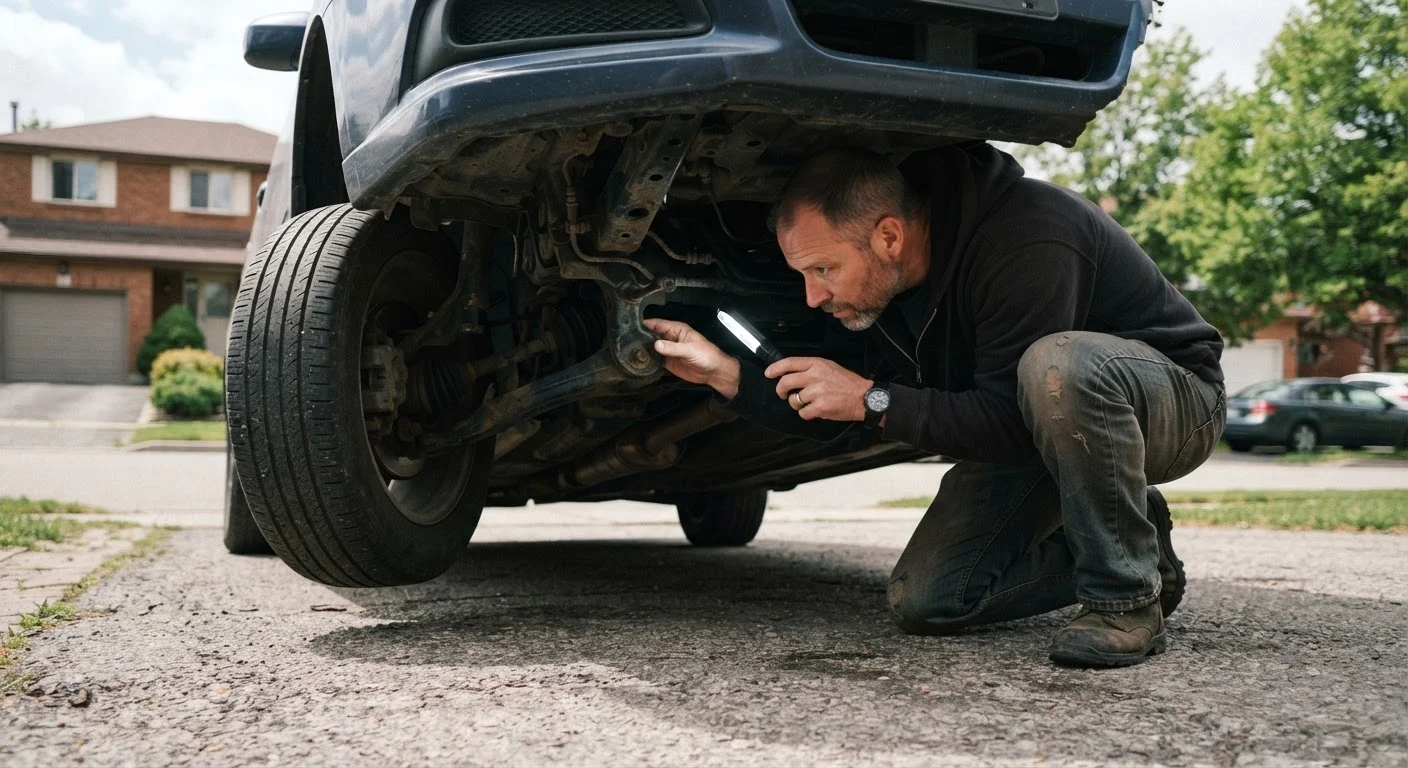
Needed to inspect the undercarriage, engine bay, and interior areas that are difficult to see in ambient light.
Market Valuation Tool
Helps you assess whether the asking price is reasonable for the vehicle's year, mileage, trim, and condition.
Before You Even See the Car: Research Steps
Do your homework before scheduling a viewing. Many deal-breakers can be identified from your couch, saving you a wasted trip — or worse, an emotional attachment to the wrong vehicle.
Remote Research
Exterior and Body Inspection
Interior and Mechanical Checks
Test Drive and Professional Inspection
Beware of Sellers Who Resist Inspection
A legitimate private seller should have no objection to you taking the car to an independent mechanic for a pre-purchase inspection. If a seller pressures you to decide quickly, refuses a third-party check, or insists on cash only with no documentation, treat these as serious red flags. High-pressure tactics in private auto sales are a common precursor to fraud or undisclosed vehicle problems.
At the Inspection: What to Look and Listen For
Show up in daylight. Parked cars look very different under artificial lighting or at dusk, and shadows can hide rust, dents, and mismatched paint. Bring a flashlight and, ideally, a trusted mechanic or knowledgeable friend. Work through the vehicle systematically — exterior, interior, under the hood, and underneath.
The right questions asked in person can reveal as much as the physical inspection. Ask the seller why they're selling, how long they've owned it, and whether it's ever been in an accident. Watch how they answer as much as what they say.
Never Buy a Car With a Salvage or Rebuilt Title Without Expert Advice
A salvage title means the vehicle was declared a total loss by an insurance company at some point. A rebuilt title means it was subsequently repaired and re-inspected — but standards vary widely by state. These vehicles can carry hidden structural damage that affects safety in a future collision. If the history report shows a salvage or rebuilt title, consult an experienced mechanic with structural inspection expertise before proceeding, and understand that financing and insuring such a vehicle may be significantly more difficult.
Closing the Deal: Title, Payment, and Documentation
If the car passes your inspection and you're ready to proceed, slow down one more time. The paperwork phase is where costly mistakes happen. Confirm the seller is the legal owner listed on the title — if the name on the title doesn't match the person selling it, walk away. A lien on the title means a lender still has a financial claim on the vehicle; do not complete the purchase until that lien is released in writing.
Pay with a method that creates a documented record. Cash is common in private sales but offers no recourse; a cashier's check or documented bank transfer provides a paper trail. Draft a simple bill of sale that includes the VIN, sale price, odometer reading, date, and both parties' signatures. Check your state's DMV website for any required forms — title transfer processes vary by state. Understand that once this sale is complete, your consumer rights are limited; our overview of what to check before accepting any seller resolution illustrates how quickly options can close off after a transaction finalizes.
This article is for general informational purposes only and does not constitute legal or financial advice. Consult your state's DMV and, where appropriate, a licensed professional for guidance specific to your situation.