

Key Takeaways
More Products Don't Mean Better Skin
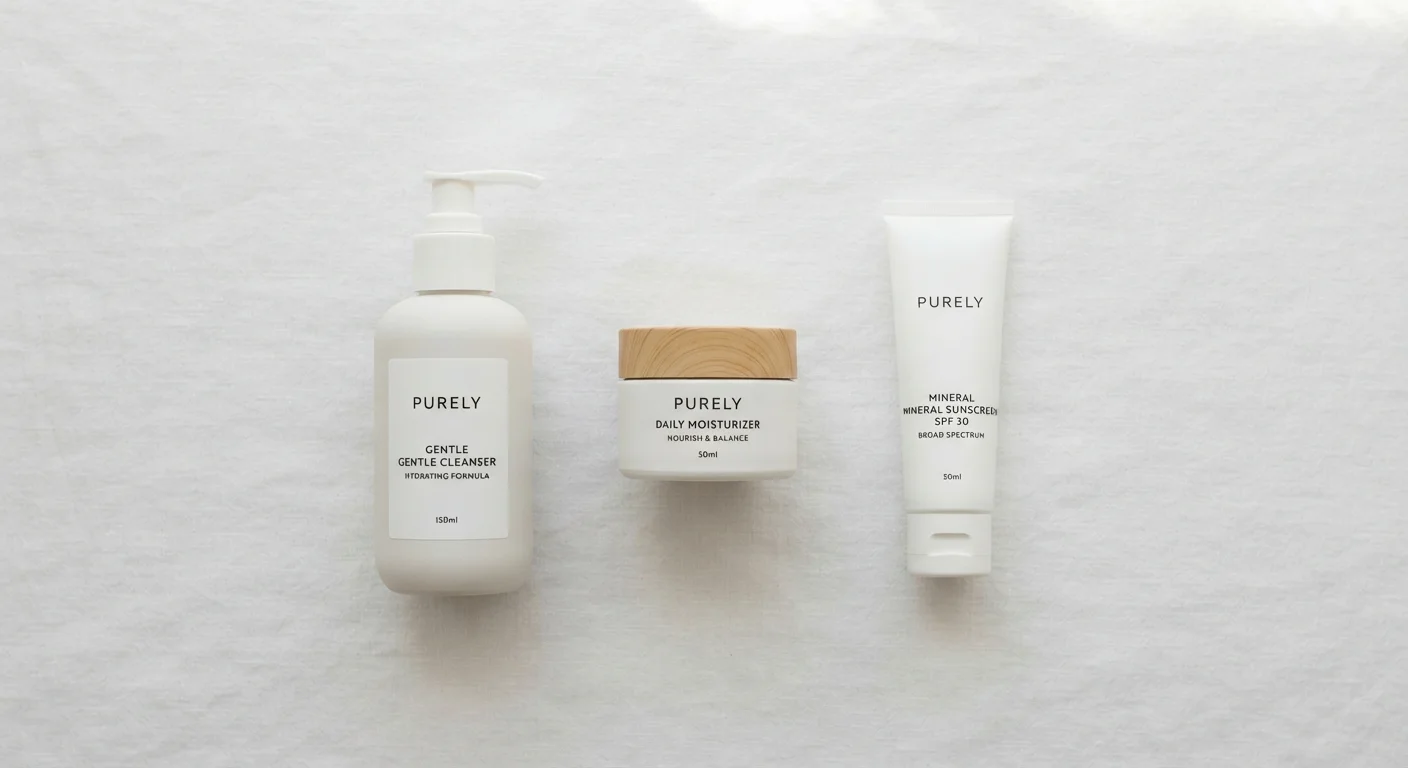
Walk into any beauty aisle and it's easy to feel like you need a dozen different products just to have a decent routine. The reality? Dermatologists and skin health experts consistently point to a handful of core steps as the true workhorses of any regimen — and most of them are straightforward and widely available at modest price points.
If you're working with a tight budget, the goal isn't to replicate every step of a ten-product shelf. It's to understand which steps actually move the needle and put your resources there first. This list breaks down exactly what to prioritize — and why — so you can spend intentionally rather than reactively. For additional context on spending with intention across categories, see our guide on stretching a tight shopping budget.
A gentle, skin-appropriate cleanser
Cleansing removes dirt, excess oil, and environmental debris that accumulate throughout the day — but the cleanser you choose matters as much as the act itself. Harsh, stripping formulas can disrupt your skin's natural moisture barrier, leading to dryness, irritation, or even more oil production as your skin tries to compensate.
Look for a fragrance-free, pH-balanced formula suited to your skin type: gel or foaming cleansers generally work well for oily skin, while cream or lotion cleansers tend to suit drier skin. Once daily — or twice if your skin tolerates it — is usually sufficient. Over-cleansing is a surprisingly common mistake worth understanding before building your routine.
Stripping cleansers can cause more skin problems than they solve.
A basic moisturizer that suits your skin type
Moisturizers help maintain the skin's barrier function, locking in hydration and supporting overall skin resilience. You don't need anything elaborate — a simple formula with humectants (like glycerin or hyaluronic acid) and occlusives (like petrolatum or shea butter) covers the essentials for most skin types.
If your skin leans oily, lightweight gel-based moisturizers are less likely to feel heavy or contribute to clogged pores. Drier skin types generally benefit from richer creams. Applying moisturizer to slightly damp skin can help ingredients absorb more effectively. Confused by ingredient names? The skincare ingredient glossary for beginners is a useful plain-language reference.
A simple moisturizer that suits your skin type is more valuable than an expensive one that doesn't.
Broad-spectrum SPF — every single day
If there's one step that skin health experts consistently prioritize above all others, it's daily sun protection. UV exposure is linked to premature skin aging, uneven tone, and more serious skin health concerns. Broad-spectrum sunscreen — meaning it protects against both UVA and UVB rays — is the most impactful daily skincare step you can take.
SPF 30 is generally considered the minimum for everyday use; SPF 50 offers additional protection for extended outdoor time. Sunscreen doesn't need to be expensive to be effective — what matters is using an adequate amount and reapplying as needed throughout the day. This is one area where consistent use matters far more than the price point on the label.
No other daily skincare step offers as much documented protective value as broad-spectrum SPF.
Knowing your skin type before buying anything
One of the easiest ways to waste money on skincare is buying products that don't suit your skin's actual needs. Understanding whether your skin tends toward oily, dry, combination, or sensitive helps you filter out a huge portion of products that simply aren't relevant — no matter how appealing the packaging or marketing.
A simple way to assess your skin type: cleanse your face, skip any products, and observe how your skin feels after about an hour. Tightness or flakiness suggests dryness; visible shine across the face points to oiliness; shine only in the T-zone with dryness elsewhere indicates combination skin. Frequent redness or reactivity may indicate sensitivity. Getting this right from the start helps every dollar go further.
Understanding your skin type is the foundation that makes every other step more effective.
One targeted active ingredient — if and when you're ready
Active ingredients — like retinol, niacinamide, vitamin C, or exfoliating acids — can genuinely address specific concerns like uneven tone, texture, or early signs of aging. But they're additions, not foundations. Starting with actives before your basic routine is established often leads to irritation or confusion about what's causing what.
When you do add one, introduce it slowly — two or three times per week — and give it several weeks before evaluating results. It's also worth understanding which combinations to avoid: some actives can interact in ways that reduce effectiveness or increase irritation. Our guide to ingredients that don't play well together covers the most common combinations to be cautious about. When budget is limited, one well-chosen active beats several used haphazardly.
One active ingredient used consistently will outperform several used carelessly.
Consistency over complexity, always
The most underrated skincare principle costs nothing: showing up for your routine regularly. Skin responds to sustained, repeated habits over time — not to occasional use of premium formulas. A three-step routine done daily will, for most people, produce visibly better results than a seven-step routine applied sporadically.
This also means resisting the urge to overhaul your routine every few weeks. New products take time to show results, and constantly switching makes it difficult to know what's actually working. Give any new routine or product at least four to six weeks before drawing conclusions. Skin patience is a genuine skill — and one that saves money over time.
Consistency is the single skincare habit that costs nothing and delivers the most over time.
Build the Habit, Then Build the Shelf
The most sophisticated routine in the world delivers little benefit if it's only used three days a week. Before adding any new step, ask yourself whether you'll realistically stick to it. A simple, consistent routine is far more valuable than an elaborate one that gets abandoned when life gets busy.
Start small and add only when ready
Resist the pull to buy several new products at once. Introducing one change at a time makes it easier to identify what's working — and what isn't. Your wallet and your skin barrier will both benefit from a slower, more deliberate approach.
If you're just getting started, our beginner's guide to building a skincare routine walks through the whole process without overwhelm. And once you've got the basics down, learning about how to layer products in the right order can help you get the most out of what you already own.
This article is for general informational purposes only and does not constitute medical or dermatological advice. For concerns about your skin health, consult a qualified healthcare or skincare professional.