

Beauty & Style

Before You Do Your Makeup: A Pre-Application Skin Prep Checklist

Share
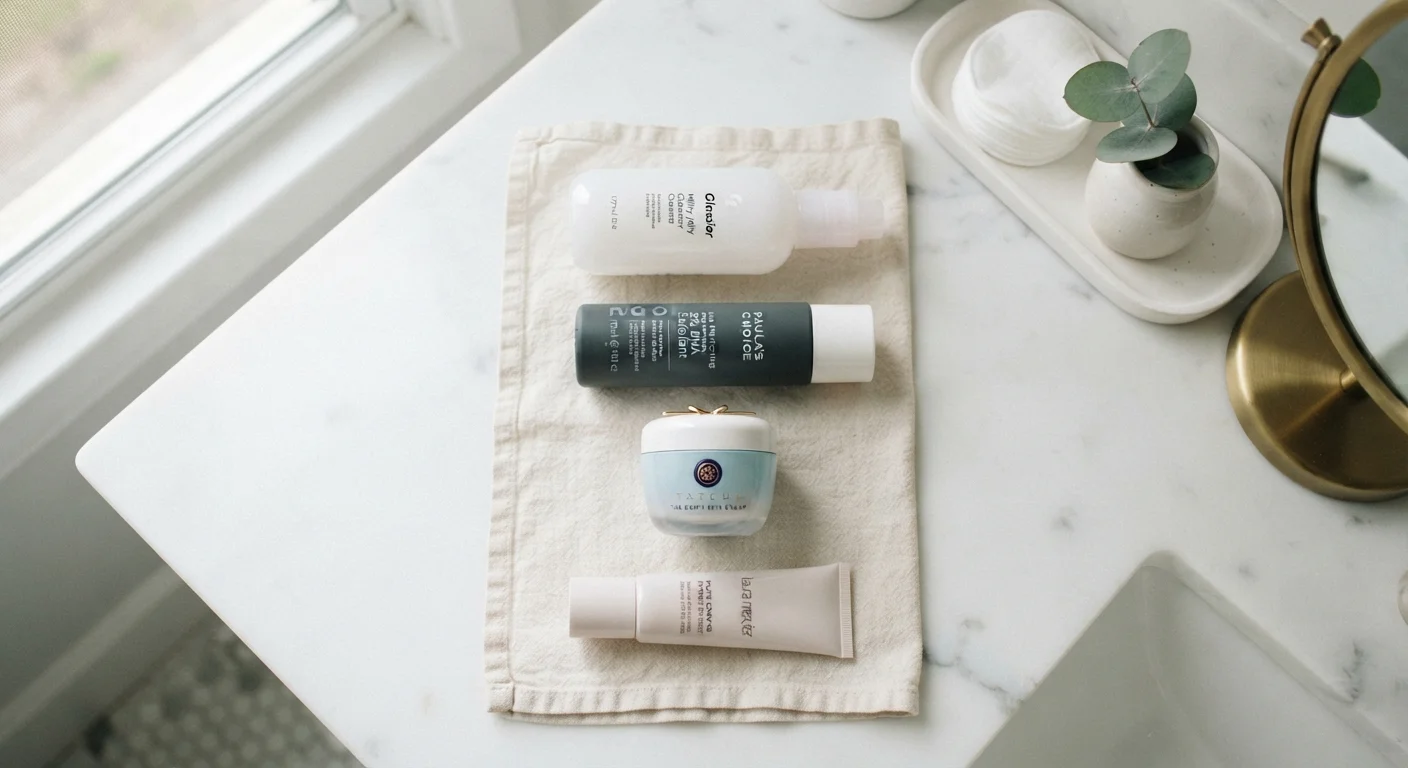
Skincare prep products arranged on a clean white countertop before makeup application

Key Takeaways

Clean, balanced skin gives foundation a smoother, longer-lasting surface to work with.
Moisturizer must be fully absorbed before primer or foundation goes on.
Skipping SPF or using the wrong primer type for your skin can undermine your whole look.
The order you apply each product matters as much as the products themselves.
Prepping skin takes under 20 minutes and pays off all day long.
10–20 min

Summary

18 items · 10–20 minutes

Why Skin Prep Changes Everything

You can own the most expensive foundation on the market, but if your skin isn't properly prepped, it will pill, slide, or look patchy by midday. Think of skin prep as laying down a smooth canvas — it gives your makeup something to grip, blend into, and stay on. The good news? You don't need a 12-step routine to get there.

If you're just starting to build your skincare habits, our beginner skincare guide is a great place to start before diving into this checklist. And if you're also new to makeup itself, check out what to include in your first makeup kit so prep and product work together from day one.

This checklist walks you through every step — in the right order — so your skin is genuinely ready before a drop of foundation touches it. Run through it the next time you sit down to do your makeup and notice the difference.

Required

Gentle facial cleanser

Removes overnight oils, sweat, and residue to create a clean base for all products that follow.

Optional

Alcohol-free toner or essence

Rebalances the skin's pH and adds a layer of light hydration before moisturizer.

Required

Lightweight moisturizer

Hydrates and smooths the skin surface so foundation doesn't cling to dry patches.

Required

Broad-spectrum SPF (SPF 30 or higher)

Protects skin from UV exposure; applied before primer when using a separate sunscreen.

Optional

Face primer

Creates a uniform surface, helps makeup adhere, and can target specific concerns like pores or oiliness.

Optional

Eye cream

Hydrates the delicate under-eye area and reduces the appearance of dryness that can make concealer look cakey.

Required

Clean towel or facial cloths

For gentle, hygienic drying of the face after cleansing.

Your Pre-Makeup Skin Prep Checklist

Work through these steps in sequence. Each one builds on the last, so skipping around can reduce effectiveness. Most steps take under a minute — the biggest time investment is simply waiting for products to absorb.

Cleanse

Wash your face with a gentle cleanser suited to your skin type — oily, dry, combination, or sensitive. Must
Use lukewarm water, not hot; hot water can strip the skin's natural moisture barrier. Must
Pat (don't rub) your face dry with a clean towel to avoid irritation. Must

Tone and Treat

Apply an alcohol-free toner with clean hands or a cotton pad to rebalance skin and add light hydration. Should
If you use a serum (such as vitamin C or hyaluronic acid), apply it now — serums go on before moisturizer. Nice to have
Allow any serum to absorb for at least 30 seconds before moving on. Should

Moisturize

Apply a lightweight moisturizer all over the face, including around the nose and along the jawline. Must
Dot a small amount of eye cream along the orbital bone (not directly on the lash line) and gently tap in. Nice to have
Wait at least 60–90 seconds for moisturizer to absorb fully before applying SPF or primer on top. Must

Sun Protection

Apply a broad-spectrum SPF 30 or higher to your face and neck if you're using a separate sunscreen product. Must
If your moisturizer already contains SPF, confirm it provides broad-spectrum UVA and UVB coverage. Should
Allow SPF to settle for a minute before applying primer; chemical sunscreens especially need a moment to activate. Should

Prime

Choose a primer suited to your skin concern — mattifying for oily skin, hydrating for dry, or color-correcting for uneven tone. Should
Apply primer only to areas where you need it most, such as the T-zone or around the nose, rather than the whole face. Nice to have
Wait 60 seconds after applying primer before touching your skin or starting with foundation. Must

Final Checks

Check your skin in natural light to spot any dry patches, excess shine, or unabsorbed product before applying makeup. Must
Blot any oily areas lightly with a clean tissue if needed — a thin, even layer of prep products works better than a heavy one. Should
Make sure your hands and any tools (brushes, sponges) are clean before touching your prepped skin. Must

Don't Rush the Absorption Step

One of the most common prep mistakes is layering products too quickly. Applying primer or foundation over a moisturizer that hasn't absorbed leads to pilling — where products ball up on the surface instead of blending in. Give each layer at least 60 seconds to settle, even when you're in a hurry. Those extra minutes make a genuine difference in how your makeup looks and how long it lasts.

This article is for general informational and educational purposes only. If you have a skin condition, allergy, or sensitivity, consult a qualified dermatologist before changing your skincare routine.

Beauty & Style Editorial Team is the collective byline for our editorial team and contributor network. Articles published under this byline or an editorial pen name are researched, written, and reviewed according to our editorial standards for clarity, consistency, and independence before publication.

View all articles by Beauty & Style Editorial Team →
Disclaimer: The content on this site is for informational purposes only and is not a substitute for professional advice. Always consult a qualified professional for guidance specific to your situation.