

Smart Shopping

Before You Buy During a Major Sale Event: A Pre-Purchase Checklist

Share
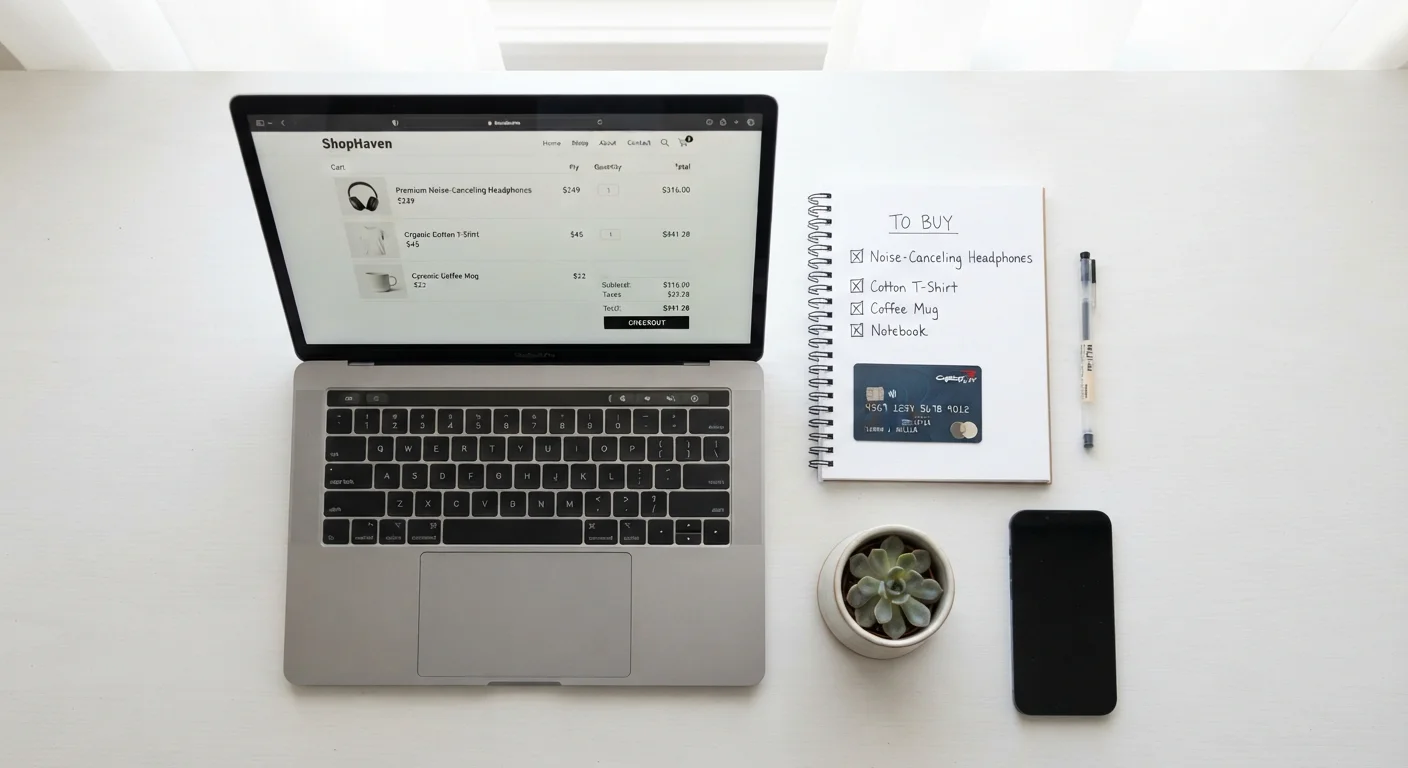
Laptop with online shopping cart beside a handwritten checklist notepad and pen on a white desk

Key Takeaways

Sale prices are not always lower than everyday prices — verify using price history tools.
Inflated "original" prices and artificial urgency are common tactics during major sale events.
Check return policies and warranty terms before you buy, not after the box is opened.
A budget ceiling set before browsing prevents impulse additions that erode savings.
Seller legitimacy matters as much as price — especially on third-party marketplace listings.
20–40 min

Summary

18 items · 20–40 minutes

Why Sales Events Demand Extra Scrutiny

Major sale events — think large holiday weekends, annual retail blowouts, or flash promotions — are engineered to compress your decision-making. Time pressure, flashing discount badges, and climbing cart timers all push you toward a faster checkout. The result: shoppers frequently spend more than intended and walk away with items they didn't actually need at discounts that weren't as deep as advertised.

This checklist is designed to slow that process down. Work through it before you commit to any purchase over $30 during a high-pressure sale period. It won't take long — but it can prevent the kind of regret that shows up on your next credit card statement.

For a broader look at the psychological mechanics behind sale-event pressure, see our guide to shopping traps that catch even careful consumers.

Before You Browse

Set a firm spending ceiling for the entire event and write it down before opening any retailer's site. Must
List the specific items you intend to buy so you have a reference point that isn't shaped by what's on sale. Must
Check your existing inventory — avoid buying duplicates of items you already own but forgot about. Should

Verifying the Discount

Look up the item's price history using a free browser extension or price-tracking site to confirm the "sale" price is genuinely lower than what it has sold for in the past 90 days. Must
Search the same item at two or three other retailers to verify the discounted price is actually competitive. Must
Scrutinize the stated "original" price — inflated reference prices are a documented retail practice and not a reliable benchmark. Must
Ignore countdown timers and low-stock warnings unless you can independently verify scarcity; these are standard urgency triggers. Should

Evaluating the Item Itself

Read at least 10 verified customer reviews dated within the past six months, focusing on complaints rather than praise. Must
Confirm the model number matches what independent review sites have tested — sale listings sometimes feature older or stripped-down variants. Must
Ask yourself whether you would buy this item at full price; if the answer is no, a discount alone may not justify the purchase. Should
Check whether the item requires ongoing costs (subscriptions, consumables, accessories) and factor those into the total. Should

Seller and Purchase Protection

Confirm who the actual seller is — on marketplace platforms, the brand name listed may differ from the third-party vendor fulfilling the order. Must
Read the return policy in full before purchasing; many sale-event items carry shortened return windows or are marked final sale. Must
Verify warranty terms directly on the manufacturer's site, since seller-provided warranty descriptions are sometimes inaccurate. Should
Pay with a credit card where possible — most major credit cards offer purchase protection and dispute rights that debit cards and digital wallets may not match. Should
Screenshot the product listing, price, and seller details before checking out, in case the listing changes after purchase. Nice to have

Final Go / No-Go Check

Confirm the purchase stays within your pre-set budget after adding shipping, tax, and any required accessories. Must
Wait 15 minutes after deciding to buy before completing checkout — impulse purchases rarely survive a short cooling-off period. Should

Tools You'll Want Before You Start

You don't need anything elaborate — just a few free resources and a few minutes of focused attention. The tools below help you verify claims, track prices, and protect yourself if something goes wrong after purchase.

Required

Price history tracker (browser extension)

Displays a chart of an item's price over time so you can judge whether the current sale price is genuinely lower than usual.

Required

Comparison shopping search

Lets you quickly check the same item across multiple retailers to confirm the discount is competitive.

Optional

Retailer review aggregator

Surfaces verified customer reviews from multiple platforms so you aren't relying solely on reviews hosted by the seller.

Required

Credit card with purchase protection

Provides dispute rights and potential fraud coverage that offer a safety net if the purchase goes wrong.

Required

Notepad or notes app

Lets you record your budget ceiling and item list before you start browsing, keeping you anchored to your plan.

If you're evaluating a large-ticket item specifically, our article on smart approaches to large one-time purchases covers timing, total cost of ownership, and trade-off frameworks worth reviewing first.

After You Check Out: Protecting What You Bought

Running through this checklist before purchase is step one. Step two is knowing your options if the item arrives damaged, the deal turns out to be misleading, or the seller becomes unresponsive.

Before accepting any partial refund or store credit offer, review what rights you may be waiving — our checklist for evaluating refund offers walks through what to verify first. And if you shopped through an unfamiliar online retailer during the event, confirm it's legitimate using the warning signs covered in our guide to spotting unreliable online retailers.

For a comprehensive foundation on returns, warranties, and fraud protection, the Consumer Rights hub is a practical next stop.

Sale-Event Listings Can Change Without Notice

Product pages during high-traffic sale events are sometimes updated mid-event — prices, seller details, and return terms can shift. Always capture a screenshot of the full listing before completing checkout. If what arrives doesn't match what was advertised, having that record strengthens any dispute you file with the seller, the platform, or your card issuer.

Smart Shopping Editorial Team is the collective byline for our editorial team and contributor network. Articles published under this byline or an editorial pen name are researched, written, and reviewed according to our editorial standards for clarity, consistency, and independence before publication.

View all articles by Smart Shopping Editorial Team →
Disclaimer: The content on this site is for informational purposes only and is not a substitute for professional advice. Always consult a qualified professional for guidance specific to your situation.