

Key Takeaways
USDA Plant Hardiness Zone
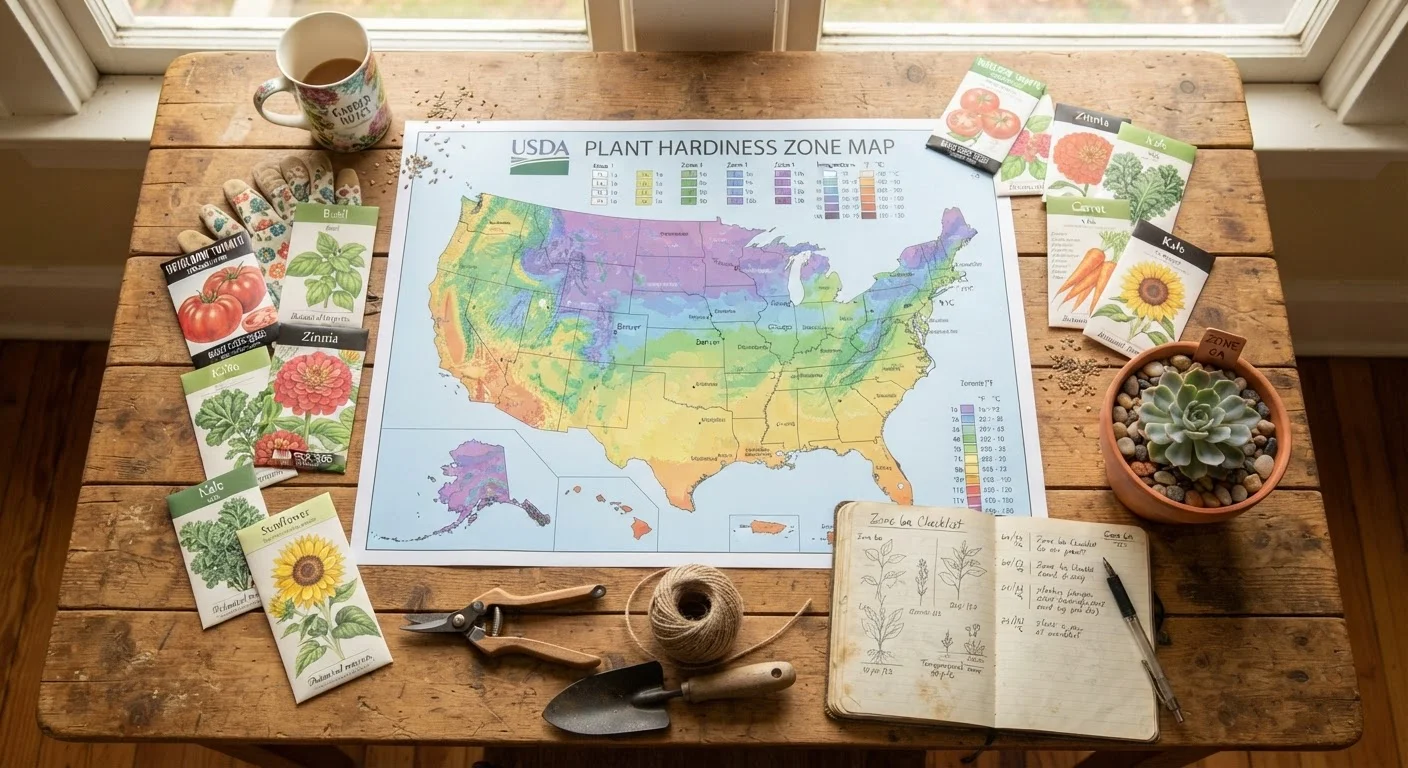
A USDA Plant Hardiness Zone is a geographically defined area that indicates the average annual minimum winter temperature for that region. The United States Department of Agriculture created the map to help gardeners and growers determine which plants are most likely to survive the coldest temperatures in their location. The country is divided into 13 numbered zones, each split into two five-degree sub-zones labeled 'a' and 'b.'
Zone ratings are based on a 30-year average of recorded minimum winter temperatures, updated periodically as climate data is collected. The most recent edition was released in 2023.
What the Zone Numbers Actually Mean
The USDA Plant Hardiness Zone Map assigns every location in the continental U.S., Alaska, Hawaii, and U.S. territories a zone number from 1 through 13. Zone 1 covers the coldest areas — think interior Alaska, where winter lows can plunge below -60°F. Zone 13 covers the warmest regions, such as parts of Hawaii and Puerto Rico, where temperatures rarely dip below 60°F.
Each zone represents a 10°F range of average annual minimum winter temperatures. That range is then halved into two sub-zones: the cooler 'a' half and the warmer 'b' half. So Zone 6a experiences average lows between -10°F and -5°F, while Zone 6b sees lows between -5°F and 0°F. This sub-zone distinction matters when you're deciding between plants with narrower cold tolerance windows.
Most of the heavily populated Lower 48 falls between Zones 4 and 9, which is why you'll see this range most commonly referenced on nursery tags and seed packets.
13
Total USDA hardiness zones in the U.S.
The USDA Plant Hardiness Zone Map divides the country and its territories into 13 zones, each spanning a 10°F range of minimum winter temperatures.
26
Sub-zones defined on the USDA map
Each of the 13 main zones is divided into an 'a' and 'b' sub-zone, creating 26 distinct designations that give gardeners finer-grained cold-hardiness data.
30 years
Temperature data window used per map update
The USDA calculates zone boundaries using a rolling 30-year average of minimum winter temperatures recorded at weather stations across the country.
What Hardiness Zones Don't Tell You
A common mistake new gardeners make is treating the hardiness zone as a complete growing guide. It isn't. The zone rating answers exactly one question: Can this plant survive my average winter low? It says nothing about summer heat, humidity, rainfall, soil pH, drought tolerance, or sun requirements.
A plant rated for Zone 8, for example, might survive winters in both coastal Georgia and coastal California — but the humid subtropical summers of Georgia versus the mild, dry summers of northern California create very different growing conditions. Both are Zone 8, yet many plants will perform quite differently between them.
For a fuller picture of your garden's seasonal demands, it helps to consult your local cooperative extension office, which publishes region-specific planting guides. You can also pair zone knowledge with a month-by-month planting framework — see The American Gardening Calendar for a comprehensive reference covering all major U.S. growing zones.
Look Up Your Zone in Under a Minute
The USDA provides a free, searchable zone lookup tool at planthardiness.ars.usda.gov. Enter your zip code and you'll get your exact zone and sub-zone designation instantly. Bookmark it — you'll return to it every time you're evaluating a new plant for your garden.
Microclimates: When Your Yard Bends the Rules
Your official zone is an average — and averages can obscure significant variation within a single property. A microclimate is a localized area where temperature, wind exposure, or moisture differs noticeably from the surrounding region. Understanding your yard's microclimates lets you push the boundaries of what your zone suggests.
South-facing walls and fences absorb solar heat and radiate warmth overnight, creating a pocket one sub-zone warmer than the open yard. Low-lying areas, on the other hand, collect cold air drainage on still nights and can be a half-zone colder than a slope just a few feet higher. Densely planted windbreaks reduce wind chill and help borderline plants survive. Even urban heat islands can make city gardens measurably warmer than the surrounding suburbs.
Paying attention to where frost lingers longest in spring and where the first hard freeze hits hardest in fall will give you a practical map of your personal microclimates — more useful than any generalized zone boundary.
How to Use Zone Information When Shopping for Plants
When you pick up a plant at a nursery or browse a seed catalog, look for the hardiness zone range listed on the tag or in the description. A notation like Zones 5–9 means the plant is expected to survive minimum winter temperatures from -20°F (Zone 5) to 20°F (Zone 9). If your zone falls within that range, the plant is a reasonable candidate for your garden.
If a plant is rated for a zone warmer than yours, it may still be possible to grow it as an annual — enjoying it for a single season without expecting it to overwinter. Alternatively, growing it in a container you can move indoors is another widely used approach.
For plants rated for colder zones than you live in, cold hardiness is rarely the concern — but heat and humidity tolerance may be. Check whether the plant requires a winter chill period (many fruit trees do) before assuming it will perform well in warmer climates.
Zone Ratings Assume Average Conditions
Hardiness zone ratings are based on long-term averages, which means an unusually severe winter — colder than the historical minimum — can damage or kill plants that are rated for your zone. Gardeners in marginal zones often add extra mulch or burlap protection in years when forecasts call for record-breaking cold snaps, as an added precaution.